CLEAR-AA Driving More Inclusive Evaluation Practices Across Africa
- CLEAR-AA
CLEAR-AA is advancing equitable evaluation across Africa through targeted trainings, with Volume 3 of the Equitable Evaluation series coming in 2026.
In the last quarter of 2025, CLEAR-AA strengthened equitable evaluation practice through a series of capacity-development engagements across Africa. The activities supported 43 government officials and evaluation practitioners across two engagements to translate equity principles into practical approaches that strengthen evidence‑informed decision‑making in diverse contexts.
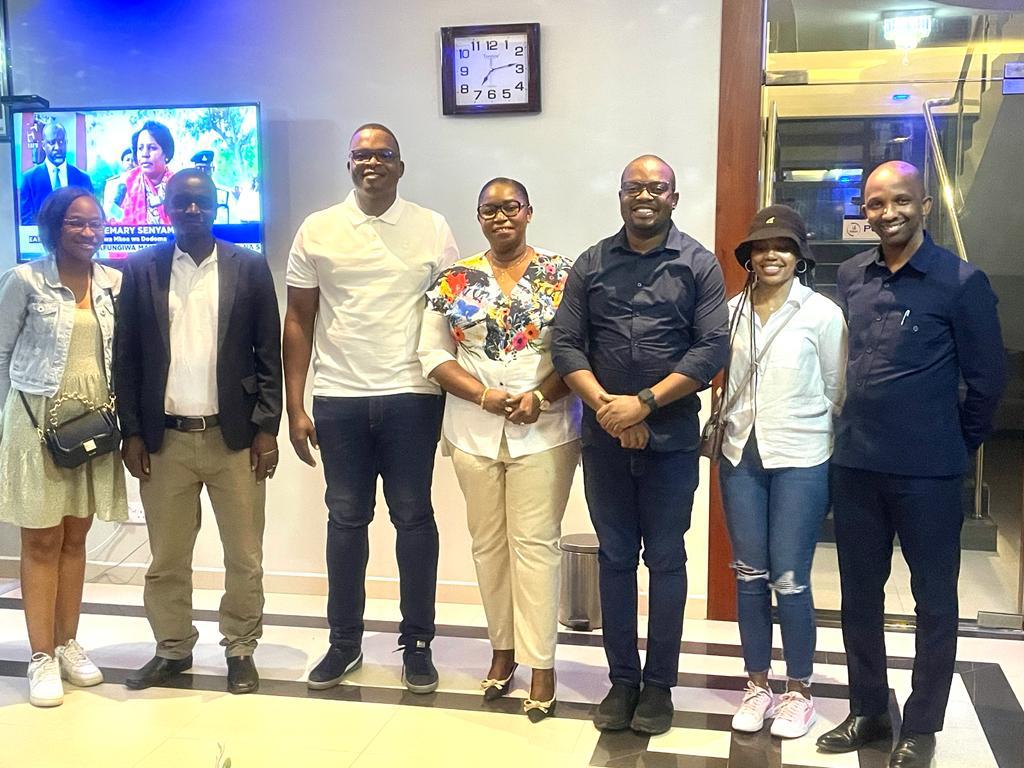
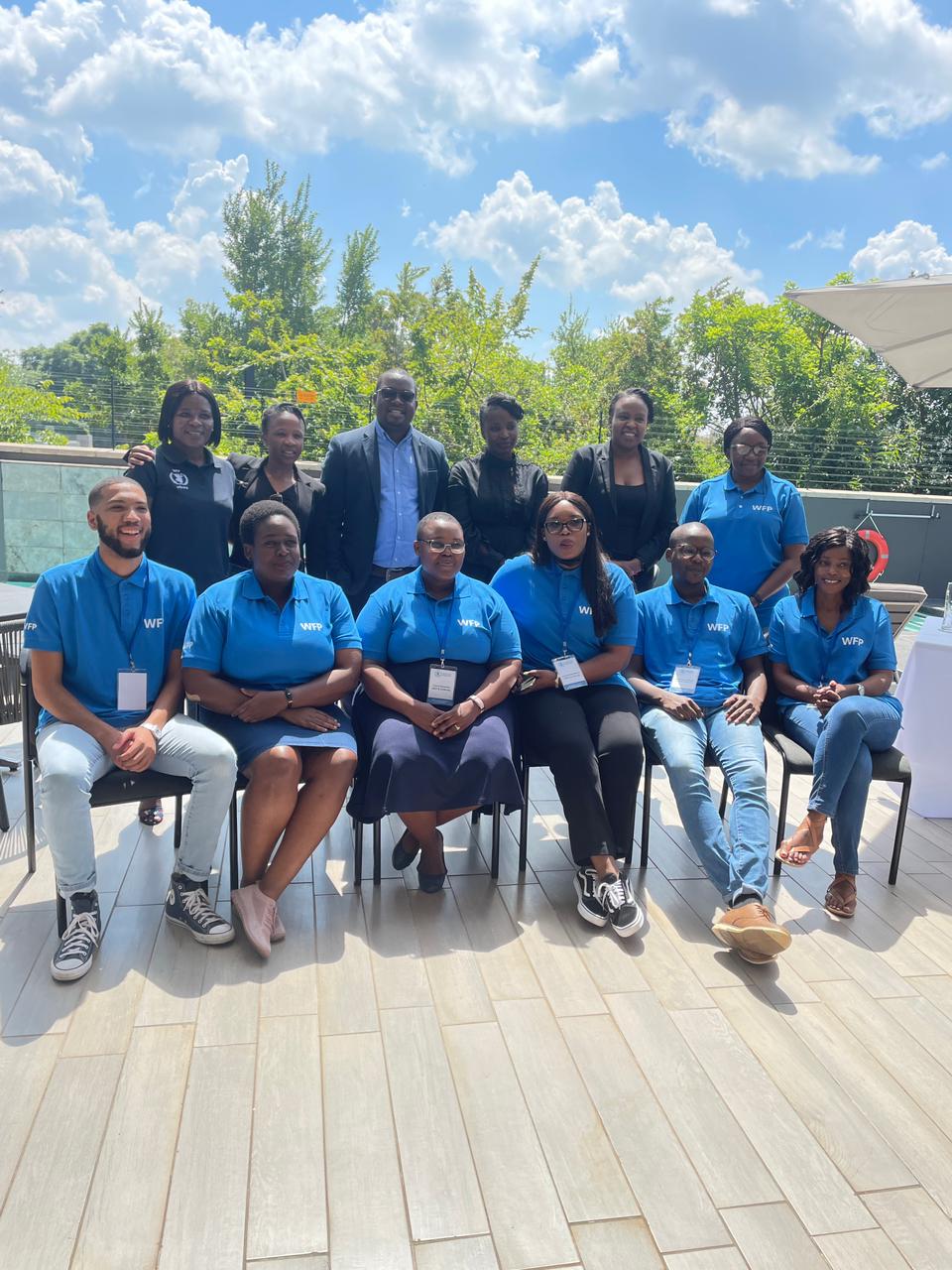
In Tanzania, 23 participants from the subnational level of government took part in a targeted training delivered in November in partnership with the Prime Minister’s Office – Performance Monitoring and Evaluation Division (PMO–PMED). The training focused on strengthening evaluation systems that are technically robust while remaining responsive to context, power dynamics, and inclusion - key elements of GEI’s integrated systems approach to monitoring and evaluation (M&E) strengthening.
Through facilitated discussions and applied learning, participants explored how equitable evaluation can be embedded in routine M&E practice. The training emphasized how evaluation can help promote fairness, amplify diverse voices, and strengthen evidence-based decision-making in local government contexts.
Also in November, CLEAR-AA contributed to the African School of Evaluation held in Ghana and organized by theAfrican Evaluation Association (AfrEA). The team delivered a session titled Evaluation in Service of Equity: Approaches and Methods for Equitable Evaluation to 20 emerging evaluators and practitioners from across Africa, including participants from Somalia, Tanzania, Ghana, Tunisia, Morocco, South Africa, Zimbabwe, Uganda, Nigeria, Cameroon, Ethiopia, and South Sudan.
Following the session, Dr. Sakariya Abdihaashi Mohamed, an emerging evaluator from theGlobal Youth Innovation Council, highlighted the value of the session for strengthening practical approaches to equity across the evaluation lifecycle.
Building on these engagements, CLEAR–AA has submitted a manuscript toAfrican Online Scientific Information Systems (AOSIS)for publication. Volume 3 of the Equitable Evaluation series, titled Commissioning and Conducting Equitable Evaluation: Approaches and Methods, is expected to be released in 2026. The volume shares practice-based insights from the Global South and reflects GEI’s commitment to country-led, context-specific approaches to strengthening M&E systems.
“Facilitating this equitable evaluation training reminded me that evaluation is never neutral," said Tebogo Fish, Research and Learning Programme Manager at CLEAR-AA. “When practitioners are given the tools to center lived experience, question power, and use data in service of fairness, evaluation becomes a catalyst for more just and inclusive decisions, not just better reports.”
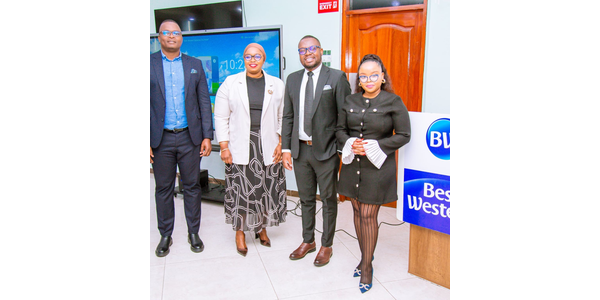
CLEAR-AA continues to deepen its collaboration with national governments to strengthen equitable evaluation practice across Africa. In February 2026, the Centre partnered with the Government of Kenya’s National Treasury – State Department for Economic Planning to deliver a training on equitable evaluation for national government officials.
The training highlighted the critical role government policy plays in shaping how resources, services, and opportunities reach citizens. It also underscored the limitations of evaluations that rely only on averages, which can mask important disparities and hide who is being left behind.
Participants explored practical approaches to strengthening evaluation practice, including developing stronger evaluation questions, using disaggregated data to uncover disparities, examining systemic barriers such as gender inequality, disability exclusion, poverty, and regional disparities, and applying evidence to support fairer policy decisions. The discussions reinforced a key principle of equitable evaluation: results should not only show what works, but also for whom.
Together, these engagements are helping embed equitable evaluation principles into routine monitoring and evaluation practice, supporting more inclusive, evidence‑informed decision‑making across African institutions. Through continued collaboration with government partners, regional platforms, and evaluation networks, CLEAR-AA is contributing to longer-term efforts to strengthen evaluation systems that are both technically robust and responsive to context, power, and inclusion.
Glocal 2026: Building Trust in Evaluation in the Age of AI across
Anglophone Africa
-
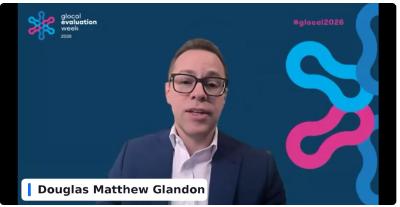
During Glocal Evaluation Week 2026, held June 1–5, sessions across Anglophone Africa explored the opportunities and challenges presented by artificial intelligence (AI) and what they mean for the future of evaluation. The regional program was convened by Clear Evaluation Anglophone Africa (CLEAR-AA), an implementing partner of the Global Evaluation Initiative (GEI).
While discussions examined emerging technologies and digital innovation, a common thread ran throughout the region’s contributions: how to ensure that evaluation remains trustworthy, people-centered, and grounded in African realities in an increasingly AI enabled world.
While discussions examined emerging technologies and digital innovation, a common thread ran throughout the region’s contributions: how to ensure that evaluation remains trustworthy, people centered, and grounded in African realities in an increasingly AI-enabled world
The regional program opened with “AI and the Future of Evaluation: Concepts, Opportunities and Emerging Debates,” where speakers reflected on how African evaluators were navigating the rapid adoption of AI tools while safeguarding principles of inclusion, equity, and contextual relevance. Discussions highlighted both the potential of AI to improve evidence generation, multilingual engagement, and learning, and the risks associated with bias, exclusion, and the marginalization of indigenous knowledge systems. Participants emphasized the importance of Africa actively shaping AI systems that reflect local contexts, languages, and development priorities.
Across the region, questions of community voice and meaningful participation emerged as another key theme. In “Algorithmic Tokenism vs. Digital Marema-Tlou: Decolonizing AI in Evaluation,” participants explored whether AI systems were genuinely amplifying community perspectives or simply transforming lived experiences into data points. Discussions highlighted the risk of algorithmic tokenism, where communities appear represented in datasets but remain excluded from interpretation and decision-making. Speakers emphasized that evaluation evidence should ultimately serve communities rather than institutions alone, and that responsible AI must be complemented by human wisdom, stakeholder validation, and continuous community engagement.
Trust and credibility in evidence also featured prominently throughout the week. Sessions such as “From Evidence to Decisions in the Age of AI: Strengthening Evaluation Use and Trust” and “Can We Trust Evaluation Findings Made by AI?” examined how evaluation systems can maintain confidence and legitimacy as AI becomes more integrated into practice. Participants agreed that while AI can support evidence synthesis, translation, and communication, it cannot replace human judgment, contextual understanding, or ethical decision-making. Discussions reinforced that trustworthy evaluation depends on transparency, appropriate levels of rigor, and meaningful human involvement throughout the evidence-to-decision process.
Related conversations focused on how evidence can be communicated and used more effectively. In “Reimagining Evidence Through Storytelling in the Age of AI,” participants reflected on the importance of ensuring that evidence is not only generated but also understood and acted upon. Discussions emphasized that credible evaluation requires strong connections between data collection, analysis, validation, communication, and implementation. Storytelling was highlighted as an important tool for translating findings into action and strengthening engagement among communities, policy makers, and other decision-makers.
Beyond practical applications, discussions also engaged with the philosophical foundations of evaluation. “The Philosophical Archetypes of Evaluation” explored questions of value, knowledge, ethics, and digital transformation, encouraging participants to reflect on how emerging technologies may influence the ways evaluators understand, assess, and communicate value in complex environments.
Together, these sessions and others reflected a coherent regional narrative. Rather than viewing AI as either a solution or a threat, Anglophone Africa's contributions highlighted the importance of responsible adoption, ethical governance, community participation, and contextual understanding. By bringing together discussions on decolonization, evidence use, storytelling, and trust, the region demonstrated that the future of evaluation will depend not only on technological innovation, but also on preserving the human relationships, local knowledge systems, and values that make evaluation meaningful. Looking ahead, CLEAR-AA is planning a series of webinars to build on several of the week's sessions, including those the centre hosted, to continue the conversations on responsible AI adoption in evaluation.
"To ensure our practices remain grounded in African realities, the centre will spearhead the responsible adoption and ethical governance of AI tools across Anglophone Africa... we will also use storytelling to communicate data, translating evaluation evidence into transparent, trusted, and impactful actions for policy makers and local communities," said Dr Steven Masvaure, Research and Learning, CLEAR-AA.
CLEAR Dialogue: AI and Human Judgment in Monitoring and Evaluation
- CLEAR-AA
Exploring the opportunities, limitations and implications of artificial intelligence for evaluation practice
On the 14th August 2026, CLEAR-AA hosted the inaugural CLEAR Dialogues, bringing together evaluation practitioners and stakeholders for an engaging conversation on one of the issues increasingly shaping the M&E field: the role of artificial intelligence (AI) in monitoring and evaluation (M&E), and the continued importance of human judgement.
The dialogue, themed “AI and Human Judgment in Monitoring and Evaluation,” featured Dr Steven Masvaure, Senior Researcher and M&E Technical Specialist at CLEAR-AA, and Dr Mzamani Mdaka, who leads the Integrated District Improvement Programme at the National Education Collaboration Trust. The discussion was facilitated by CLEAR-AA and ClearPath MEL, an emerging organization focused on strengthening evidence-driven decision-making and improving development outcomes through monitoring, evaluation and learning. This created space for both seasoned and emerging voices to interrogate what AI means for the future of evaluation.
AI as a tool for better evaluation
Dr Masvaure opened the discussion by challenging the idea that AI should be viewed primarily as a threat to evaluators. Instead, he positioned AI as another tool in the evaluator’s toolbox, with the potential to support tasks such as data processing, analysis and synthesis, freeing evaluators to focus more deeply on interpretation, sense-making and judgement.
However, the value of AI depends on how it is used. While AI can process large volumes of information and identify patterns, it cannot independently determine what evidence means within a particular social, cultural or programme context. For Dr Masvaure, this distinction is critical: AI can support evaluation, but it cannot replace the evaluator’s responsibility to make judgements about value, relevance and meaning.
This point resonated strongly with participants. One participant reflected that “evaluation is about valuing and making judgements” and that technological tools should not replace the human role in valuing, but rather help evaluators become more efficient and effective. Another participant reinforced the point, noting thathuman value judgement remains critical.
The discussion also considered how AI could contribute to more adaptive approaches to M&E. Rather than waiting until the end of a programme to identify what worked or did not work, AI-supported tools could potentially help organisations identify emerging patterns and issues during implementation, enabling more timely learning and decision-making.
Are we ready for AI?
Dr Mdaka shifted the conversation towards an equally important question: having access to AI does not necessarily mean that organisations are ready to use it.
He highlighted the broader conditions required for responsible AI adoption, including data quality, organisational capacity, appropriate infrastructure, governance, ethics and accountability. AI should not be introduced simply because the technology is available; rather, organisations should first understand the problem they are trying to solve and then determine whether AI is an appropriate response.
This was particularly relevant to the South African and broader African context. Participants raised concerns around data quality, digital inequality, regulatory obligations and the rapidly changing risk environment, asking how AI can enhance decision-making while ensuring that human judgement continues to provide the contextual understanding and ethical oversight necessary for fair and trustworthy outcomes.
The conversation also highlighted the changing skills required of evaluators. Participants noted the growing importance of data science literacy, working with large and unstructured datasets, critically assessing machine-learning outputs and developing prompt-engineering skills. As one participant put it, future practitioners will need to be able to use AI productively while also quality-assuring its outputs
AI, bias and the African evaluation context
One of the strongest threads running through the dialogue was the question of context and whose knowledge is represented in AI systems.
Dr Masvaure connected this to ongoing conversations around Made in Africa evaluation, decolonisation and Indigenous Knowledge Systems. If AI tools are trained predominantly on knowledge and data that do not adequately represent African realities, there is a risk that they may reproduce existing biases rather than help address them.
Participants pushed this issue further, asking how evaluators can detect and correct algorithmic bias where African and marginalised populations are under-represented in training data. Others questioned how much progress Africa is making in decolonising evaluation when many education systems and curricula remain Western-centric.
These questions point to an important challenge for the evaluation community: AI adoption cannot simply be about becoming technologically advanced. It must also be about ensuring that the technologies being used are fit for purpose, contextually relevant and capable of reflecting the diversity of the communities and realities that evaluation seeks to understand.
Ethics, transparency and the future of evaluation
The discussion further explored the ethical implications of AI use. Participants raised concerns around AI ethical washing, asking how evaluators can ensure that claims of responsible AI use translate into meaningful practice.
Transparency was another key concern. One participant asked how transparent AI-assisted analysis should be in evaluation reporting, including whether evaluators should disclose the extent to which AI was used in their analysis and reporting. Questions of work ownership and attribution were also raised as AI becomes increasingly embedded in professional practice.
These exchanges reinforced the need for evaluators and commissioners to think proactively about responsible AI use - including expectations around transparency, data protection, accountability and the disclosure of AI-assisted work.
A People-Centred Future
The dialogue ultimately pointed towards a future in which AI and human judgement work alongside one another rather than in competition. AI may increase efficiency, support analysis and help evaluators work with increasingly complex information, but people remain responsible for interpreting evidence, understanding context, exercising ethical judgement and making decisions.
The inputs of participants demonstrated that these are not abstract questions for the future, but they are already emerging in the everyday work of evaluators. The discussion therefore urged evaluators to engage with these shifts now and play an active role in shaping their influence on practice.


.png)

.jpg)

-1.png)












-1.jpg)