The Wits Vaccines and Infectious Diseases Analytics (VIDA) Research Unit, which runs the Oxford Covid-19 vaccine trial in South Africa, has announced results.
In an analysis, submitted as a pre-print prior to peer-review publication, a two-dose regimen of the ChAdOx1 nCoV-19 vaccine provides minimal protection against mild-moderate COVID-19 infection from the B.1.351 coronavirus variant first identified in South Africa in mid-November 2020.
Efficacy against severe COVID-19 infection from this variant was not assessed. The analyses being submitted in the pre-print show the vaccine had high efficacy against the original coronavirus non-B.1.351 variants in South Africa.
Researchers from South Africa and the UK found that viral neutralisation by sera induced by the ChAdOx1 nCoV-19 coronavirus vaccine against the B.1.351 coronavirus variant were substantially reduced when compared with the ‘original’ strain of the coronavirus.
These early data, which will be submitted for scientific peer-review, appear to confirm the theoretical observation that mutations in the virus seen in South Africa will allow ongoing transmission of the virus in vaccinated populations, as has been recently reported in those with prior infection.
In this study of approximately 2,000 volunteers where the median age was 31 years old, mild disease was defined as at least one symptom of COVID-19. Protection against moderate-severe disease, hospitalisation or death could not be assessed in this study as the target population were at low risk.
Work is already underway at the University of Oxford and in conjunction with partners to produce a 2nd generation of the vaccine which has been adapted to target variants of the coronavirus with mutations similar to B.1.351, if it should prove necessary to do so.
Shabir Madhi, Professor of Vaccinology and Director of the Vaccines & Infectious Diseases Analytics (VIDA) Research Unit at University of the Witwatersrand, and Chief Investigator on the trial in South Africa, said:
'Recent data from a study in South Africa sponsored by Janssen which assessed moderate to severe disease, rather than mild disease, using a similar viral vector, indicated that protection against these important disease endpoints was preserved. This could be relevant to the ChAdOx1 nCoV-19 vaccine, which has been developed using similar technology as the Janssen vaccine, and for which vaccine induced immune responses are also similar.
‘These findings also force us to recalibrate thinking about how to approach the pandemic virus and shift the focus from the aspirational goal of herd immunity against transmission to the protection of all at risk individuals in population against severe disease.’
Andrew Pollard, Professor of Paediatric Infection and Immunity, and Chief Investigator on the Oxford vaccine trial, said:
‘This study confirms that the pandemic coronavirus will find ways to continue to spread in vaccinated populations, as expected, but, taken with the promising results from other studies in South Africa, such as those using a similar viral vector, vaccines may continue to ease the toll on health care systems by preventing severe disease.’
Sarah Gilbert, Professor of Vaccinology at the University of Oxford said:
‘Efforts are underway to develop a new generation of vaccines that will allow protection to be redirected to emerging variants as booster jabs, if it turns out that it is necessary to do so.’
‘We are working with AstraZeneca to optimise the pipeline required for a strain change should one become necessary. This is the same issue that is faced by all of the vaccine developers, and we will continue to monitor the emergence of new variants that arise in readiness for a future strain change.’
Note: these findings are early preliminary data, which have been submitted for peer review and will appear as a pre-print in the days ahead.
About the Wits Vaccines & Infectious Diseases Analytics (VIDA) Research Unit
Formerly known as the Respiratory and Meningeal Pathogens Research Unit (RMPRU) and founded in 1995, the Vaccines and Infectious Diseases Analytics (VIDA) Research Unit of the University of the Witwatersrand (Wits) is an internationally recognised, African-led research unit in the field of epidemiology of vaccine preventable diseases, and clinical development of life-saving vaccines.
Under the guidance of Professor Shabir Madhi, a global leader in the field of paediatric infectious diseases and the Dean of the Faculty of Health Sciences at Wits University, Wits VIDA is conducting translational research on vaccine preventable diseases and training the next generation of clinician scientists. Combining clinical, microbiological and epidemiological expertise in an African setting, Wits VIDA’s cutting-edge scientific research informs local and global policy recommendations on the use of next-generation and novel vaccines today. In addition to various other studies on COVID-19, Wits VIDA championed and led the first two COVID-19 vaccine trials in Africa in 2020, for the Oxford and Novavax vaccine candidates.
National Research Foundation A-rates four Wits scientists again
- Wits University
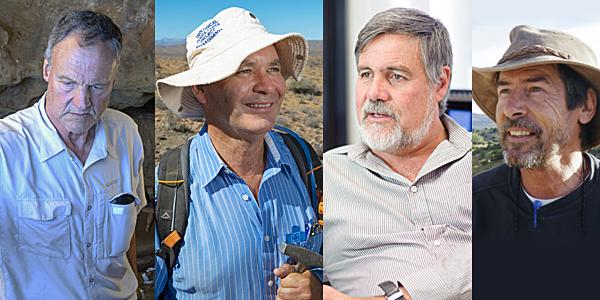
The NRF has re-awarded A-ratings to four Wits scientists, a grading which confirms that they are recognised as leading international scholars in their fields.
According to the National Research Foundation (NRF), an A-rating indicates “researchers who are unequivocally recognised by their peers as leading international scholars in their field for the high quality and impact of their recent research outputs.”
Furthermore, Henshilwood and Smith, who previously held A2 ratings, are now A1-rated. A researcher in the A1 group is “recognised by all reviewers as a leading scholar in his/her field internationally for the high quality and wide impact, i.e., beyond a narrow field of specialisation, of his/her recent research outputs”, according to the NRF.
Dr Robin Drennan, Director of Research Development at Wits, says: “The NRF rating system is a peer review system that examines the contribution and impact made by individual researchers on their chosen research community through their publications and other scholarly activities over the last eight years. The A-rating indicates the recognition as a global leader in the specific research field and is clearly a great honour.”
There are about 4 000 rated researchers in South Africa and only about 123 A-rated researchers. “Wits is therefore extremely proud of its latest cohort of four awards of A-ratings,” says Professor Joao Rodrigues, acting Deputy Vice-Chancellor: Research and Postgraduate Affairs at Wits. “We send our sincere congratulations to Professors Christopher Henshilwood, Bruce Rubidge, Bob Scholes and Roger Smith. They are all re-appointments and so re-join the total of 27 A-rated researchers at our University.”
Understanding early human behavior
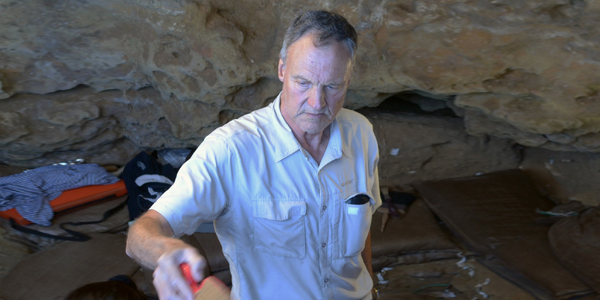
Professor Christopher Henshilwood is a Distinguished Professor and the SARChI (South African Research Chairs Initiative) Chair in Modern Human Origins at the Evolutionary Studies Institute (ESI) at Wits (2008-2022) and Director of the SFF Centre for Early Sapiens Behaviour (SapienCE) (2017-2026) at the University of Bergen, Norway.
His research focus is the development of complex technology, social systems, subsistence patterns, environmental change, syntactic language, and material culture associated with early Homo sapiens, especially the people who evolved in southern Africa between 120 000–50 000 years ago.
He concentrates on finding archaeological sites that were occupied by Homo sapiens during the Later- and Middle Stone Age and has excavated 20 of these sites in southern Africa.
“I am humbled and honoured to be awarded an A1 rating by the National Research Foundation. Without the backing of an outstanding research team at Wits and in Bergen, this would not have been possible,” says Henshilwood. “We will continue using innovative methods to unravel the behavioural origins of our common ancestors, Homo sapiens, who inhabited southern Africa between 120 000-50 000 years ago. I am grateful for the financial support of the National Research Foundation, Wits University, the Research Council of Norway and the University of Bergen.”
Henshilwood has published two books and co/authored more than 120 papers and chapters on the origins of language and symbolism, the effects of climatic variation on human demographics, and on the theory of human behavioural evolution. He currently leads research involving more than 40 scientists in diverse fields in Africa, Europe, the UK, and USA.
What rocks the Karoo?
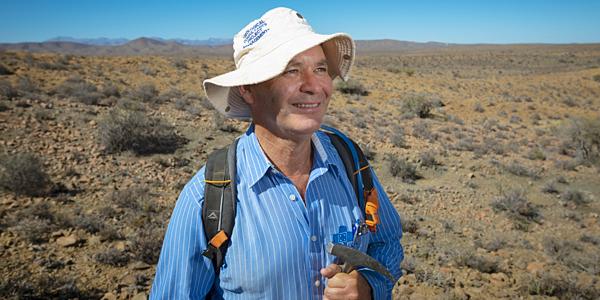
Professor Roger Smith is a Distinguished Professor in the School of Geosciences at Wits and Emeritus Research Associate at Iziko South African Museum in Cape Town. He is currently working on several projects under the general title of ‘Palaeoecology of Gondwana’.
Smith’s field-based research integrates palaeontological and sedimentological data [the science that deals with the description,classification,andorigin of sediments such as sand, silt, and clay and the processes that result in their formation] into palaeo-environmental reconstructions of ancient landscapes – especially concerning the dramatic changes that took place in the Karoo Basin during the End-Permian mass extinction event.
Over the past 20 years – and currently – Smith has participated in numerous collaborative research expeditions to study Karoo-aged basins of other parts of Africa (Niger, Madagascar, Zambia, Tanzania, Mozambique, Lesotho and Namibia) as well as Antarctica (three summer seasons) and South America (southern Argentina and northeast Brazil).
“The news that I have improved my A-rating was a pleasant surprise and very reassuring in that I appear to be doing things right,” says Smith. “It is a strong incentive for me to carry on with my field-based research in the Karoo and I will attempt to live up to the expectations this award has placed upon me.”
Smith was born in Cambridge, England and immigrated to South Africa in 1976 after graduating in Geology and Zoology from Manchester University. He holds a master’s degree from Wits and a PhD from the University of Cape Town.
Excavating fossil treasures for rural advancement
Professor Bruce Rubidge has led palaeontological research and teaching at Wits for more than three decades. He arrived at Wits in 1990 when he was appointed Director of the Bernard Price Institute (BPI) and Head of the Palaeontology Department at the University. When the BPI and the Institute of Human Evolution merged in 2013 to form the ESI, he served as interim Director. He was simultaneously Director of the newly established Department of Science and Innovation/NRF Centre of Excellence for Palaeosciences, a post he held until December 2020.
Rubidge now leads the Karoo Palaeodiversity Studies for Rural Advancement project in the ESI. His multidisciplinary research focuses on biodiversity change during the Middle Permian period, which culminated in the end Capitanian global mass extinction 260 million years ago. His current speciality is a transdisciplinary study using the rocks and fossils of the lowermost Beaufort Group (Abrahamskraal Formation) of South Africa as his study system, to understand the causes of this biodiversity change.
“I have been privileged to undertake fieldwork and research the fossil riches of the entire Karoo Supergroup [300-180 million years old], which is an international icon of palaeontological heritage showcasing the early evolution of reptiles and mammals during a time when all continents of the world were united to form the supercontinent Pangaea. My dream is to inform South Africans about this Karoo treasure and utilize its remarkable world class fossil storyline to create employment opportunities in the impoverished rural Karoo through tourism,” says Rubidge.
He established the Kitching Fossil Exploration Centre in Nieu Bethesda in the Karoo as a sustainable palaeotourism business to employ and empower local residents. He also helped develop the Cradle of Humankind World Heritage site and the Golden Gate Dinosaur exhibition Centre. He was instrumental in establishing Wits’ palaeosciences museum, the James Kitching Gallery, which forms the core of an active curriculum-based palaeoscience outreach programme.
Noticing connections in complex ecosystems
Distinguished Professor Robert (Bob) Scholes is an internationally-renowned systems ecologist; in other words, one who looks at the ecosystem level consequences of the interactions between organisms (including people) and their environment. He is the Director of the Global Change Institute (GCI) at Wits University.
In addition to the renewal of his NRF A-rating in 2021, Scholes was named one the most highly cited scientists in the world in 2020 – he is among the top 1% of environmental scientists worldwide based on citation frequency, having published widely in the fields of savannah ecology, global change, and earth observation.
Scholes currently co-chairs the first ever joint IPCC-IPBES (Intergovernmental Panel on Climate Change- Intergovernmental Science-Policy Platform on Biodiversity and Ecosystem Services) workshop on climate and biodiversity interactions.
He was a section lead on a major report, Making Peace with Nature, released by the United Nations Environment Programme (UNEP) in February 2021. This report provides a blueprint of how the world can transform its relationship with nature and tackle the climate, biodiversity, and pollution crises together to secure a sustainable future and prevent future pandemics.
Scholes was previously an author for the Intergovernmental Panel on Climate Change during the third, fourth and fifth assessments. He co-chaired the Conditions Working Group of the Millennium Ecosystem Assessment and the Intergovernmental Platform on Biodiversity and Ecosystem services Global Assessment of Land Degradation and Restoration.
He has led several high profile studies including the South African national assessments of Elephant Management and of Shale Gas Development, and major research campaigns such as SAFARI 2000 and the Southern African Millennium Ecosystem Assessment.
“What strikes me in reviewing my thirty year career is how it mirrors what we know about change in complex systems. There are many feasible outcomes, separated by quite unpredictable forks in the road. The demands of working in South Africa are not necessarily an impediment; they can be an opportunity. We are forced to be multi-skilled. I have made a niche out of seeing the connections between things and that has made all the difference,” Scholes said in his inaugural lecture delivered on 21 June 2016.
Wits’ A-team
Professor Zeblon Vilakazi, Wits Vice-Chancellor, commended the A-rated scientists and said that conducting world-class research and fostering innovation are core areas for Wits as the University approaches its centenary in 2022:
“Wits is home to some of the best scholars in the world who lead globally respected research entities. I congratulate these four scientists on retaining and improving their A-ratings and acknowledge their significant contribution to advancing Wits’ research agenda,” says Vilakazi, adding that Wits is the only University in South Africa that boasts two NRF A-rated scientists on its Senior Executive Team.
“Professor Shabir Madhi, the Dean of Health Sciences, and Professor Lynn Morris, the incoming Deputy Vice-Chancellor: Research and Postgraduate Affairs [April 2021] are members of the Senior Executive Team and amongst Wits’ 27 A-rated researchers, all of whom contribute towards Wits being one of the leading research-intensive universities on the continent.”
New Earth Sciences Cluster
- Wits University
This new Cluster will further encourage world class research through collaboration, coordination and communications.
The Earth Science Cluster (ESC), a new Dean’s Select Committee in the Research Office, has been formed following a workshop held earlier this month.
The primary aim of the ESC, situated in the Faculty of Science, is to enhance collaborations, coordination, and communications between the different Earth Sciences entities within the cluster, especially in research, innovation, postgraduate training, teaching, science engagement and public outreach.
The Earth Sciences at Wits does outstanding research and is currently made up of six A-rated researchers, two SARCHI Chairs, two Wits Distinguished Professors, the PV Tobias Chair in Palaeoanthropology, and two Centres of Excellence. There are more than half a dozen research entities located in this cluster, as designated by the Research Office, and some of the researchers are amongst the most highly cited in the University if not the world.
“In these trying times brought about by the Covid-19 pandemic, and the tough financial situation that the higher education and research environment in South Africa is facing, it was felt that banding efforts together within the cluster will strengthen success across all fronts. We do not want to slip in our international research standings as we try to navigate through these difficult times ahead,” says Professor Nithaya Chetty, Dean of the Faculty of Science and the new Chair of the ESC.
He will be supported by Vice-Chairs:
Professor Gillian Drennan (Head of Geosciences)
Professor Paida Mhangara (Geography, Archeology and Environmental Sciences - GAES)
Professor Marion Bamford (Director of the Evolutionary Studies Institute – ESI)
Professor Lee Berger (PV Tobias Chair in Palaeoanthropology)
Professor Amanda Esterhuysen (Origins Centre)
Dr Christine Steininger (Centre of Excellence Palaeosciences)
The Secretariate of the ESC, Dr Grant Bybee (Geosciences)
Other appointed members include Alex Schoeman (GAES, also Faculty Marketing), Jonah Choiniere (ESI), Sam Challis (Rock Art Research Institute), Francois Engelbrecht (Global Change Institute), Bernhard Zipfel (Curator), Stefan Grab (GAES), Musa Manzi (Geosciences)
Chetty adds that the areas of cooperation include research, innovation, postgraduate training, teaching, science engagement and public outreach. “The idea is to aim even higher in these endeavours where the whole effort across the cluster can be greater than the sum of the individual contributions.”
Some of the short-term goals include:
setting up a seminar series,
submitting joint applications for large-scale research grants,
growing international collaborations,
establishing a shared research facility,
utilizing space more optimally especially for storage of artefacts,
archiving and digitizing various collections to help promote open collaborations,
planning for staffing for the cluster,
growing postgraduate student numbers,
co-supervising students across different disciplines,
re-conceptualizing the ideas around museums (which is a vital part of this cluster),
developing people, and
giving back to communities from whence so much of intellectual benefit has been derived over the many, many decades.
The ESC will meet quarterly over the next two years after which an assessment will be made whether it should continue with this coordinating structure or not.
South African Child Gauge tackles the slow violence of malnutrition
- Wits University
The DSI-NRF Centre of Excellence in Human Development at Wits helped develop the 15th issue of the South African Child Gauge®.
The Children’s Institute at the University of Cape Town (UCT) publishes the Gauge annually to review the status of children in South Africa and to inform policy and programming.
The South African Child Gauge® 2020 was launched on 18 February in partnership with the Department of Science and Innovation-National Research Foundation (DSI-NRF) Centre of Excellence in Human Development based at Wits University, the DSI-NRF Centre of Excellence in Food Security at the University of the Western Cape, the Standard Bank Tutuwa Community Foundation, the DG Murray Trust, and UNICEF South Africa.
South Africa’s First Lady, Dr Tsepho Motsepe opened the high-profile launch event and called on all South Africans to take action: “Let us become that society that ensures that no child goes to bed hungry.”
Children stunted, obese, malnourished
The nutritional status of South Africa’s children is deteriorating. One in four children under the age of five are stunted, a sign of chronic undernutrition that has remained stubbornly unchanged for 20 years. And over the same period, South Africa has seen a steady increase in childhood overweight and obesity (one in eight children under the age of five) which is now double the global average.
This double burden of malnutrition can occur in the same household or even the same individual. For example, children who are stunted early in life are at greater risk of becoming obese – with prevalence rising across the life course especially amongst adolescent girls (28%) and adult women (64%). This increases their risk of developing non-communicable diseases such as diabetes, heart disease and certain cancers – and severe Covid-19 infection.
“Malnutrition is not simply a threat to child survival. It robs them of health and development. The 2020 issue of the South African Child Gauge focuses attention on and identifies points of leverage to improve children’s nutrition outcomes, calling for the strong leadership and concerted action from government, civil society and the private sector to ensure children’s rights are upheld,” said Professor Shane Norris, director of the DSI-NRF Centre of Excellence in Human Development at Wits.
Poverty and malnutrition
South Africa’s burden of child malnutrition remains unacceptably high for a middle- income country, placing it as an outlier among countries of similar wealth. The roots of the problem lie in our apartheid past and our on-going failure to uproot poverty and inequality. Twenty-five years since the advent of democracy, South Africa remains the most unequal country in the world. Poverty has a profoundly damaging effect on children’s care, health and development - with young children in the poorest of households three times more likely to be stunted than those in the richest 20% of households.
Thirty percent of South Africa’s children live below the food poverty line in households with a per capita income of less than R571 per month. These households do not have enough money to meet the nutritional needs of children. While frequent infections caused by overcrowding and poor access to water, sanitation and health care services further compromise children’s nutritional status. It is therefore not surprising that, according to the National Department of Health Ministerial Committee for the Morbidity and Mortality of Children under 5 years, severe acute malnutrition is one of three leading causes of child deaths in South Africa.
The slow violence of malnutrition
“Child malnutrition is a slow form of violence that lingers largely unseen until the child’s health is seriously compromised. It slowly eats away at children’s potential, eroding their physical health and cognitive development and undermining their education and economic prospects – and it drives an intergenerational cycle of poverty, malnutrition and ill-health that comes at a huge cost for individual children, their families and the South African economy,” says lead editor Professor Julian May, the director of the DSI-NRF Centre of Excellence in Food Security at the University of the Western Cape.
Professor Mamokgethi Phakeng, Vice-Chancellor of UCT, concurs: “Children who manage to survive malnutrition continue carrying the harm in their bodies, minds and spirits for the rest of their lives. And it doesn’t stop there: by attacking our children, malnutrition erodes our national development. The nation that starves its children is also starving itself.”
The devastating impact of Covid-19
Covid-19 has intensified these challenges– with rising unemployment and food prices driving a dramatic increase in child hunger and disrupting children’s access to essential safety nets such as school feeding, early childhood development programmes and health services. Food prices rose dramatically – before, during and post-lockdown – with the Pietermaritzburg Economic Justice and Dignity Project reporting a 14.4% annual increase in the cost of basic Household Food Basket in November 2020.
Three million jobs were lost between February and June 2020 - with women accounting for 60% of jobs lost during the first wave. Yet they are less likely than men to benefit from UIF and the Covid-19 relief grant.
The introduction of the CovidD-19 relief grants, and top-ups to the old age pension and Child Support Grant (CSG) provided welcome relief for poor households. Yet the removal of the caregiver and top-up grants at the end of October precipitated a dramatic rise in child hunger with 1 in 6 households reporting that a child went hungry in November/December 2020 – with CSG beneficiaries most likely to run out of money to buy food.
The impact of (lack of) income
While the physical environment in which food is obtained and prepared has an impact on the nutritional status of children, as do their feeding patterns and access to health care, research has shown that the driving factor behind both stunting and obesity is income. Poor households deal with the loss of income by eating less, and eating less nutritious food.
Although mothers buffer children at the cost of their own health, the implication is that children will go hungry, and their risk of stunting increases, as will the likelihood that their consumption of cheap, but empty calories, and their propensity to become overweight or obese.
The withdrawal of a lifeline grant such as the COVID-19 top-up grant, and reduced incomes due to job and livelihood losses, have served to exacerbate South Africa already excessive double burden.
These challenges were compounded by the closure of schools and early childhood development programmes that made it more difficult for women to return to work and prevented children from accessing school meals. While the disruption of routine maternal and child health services and delays in care-seeking behaviour have made it harder to prevent, identify and treat children at risk of severe acute malnutrition.
Global estimates by a multidisciplinary consortium of nutrition, economics, food, and health systems researchers projected a 14.3% increase in the global prevalence of severe acute malnutrition during the first 12 months of the pandemic with 80% of the burden concentrated in sub-Saharan Africa.
The time to act is now
“But all is not lost,” says Professor Shanaaz Mathews, Director of the Children’s Institute, UCT. “There is much that the state can and must do, and the 2020 South African Child Gauge outlines a range of opportunities for double-duty actions to address the double burden of malnutrition – starting early during the antenatal period and extending across the life course.”
Build a strong foundation
Women’s need for energy, protein and micronutrients increases during pregnancy so it is important to optimise maternal nutrition. This includes strengthening the focus on nutrition and education counselling during antenatal care to address with the threat of undernutrition, obesity and gestational diabetes. And intervening even earlier through schools and adolescent and youth-friendly health services to help young women optimise their health, micronutrient status and weight before they become pregnant.
Improve infant and young child feeding practices
“Exclusive breastfeeding helps build a healthy immune system, enhances cognitive development and protects against NCDs in the adult years. While 80% of women initiate breastfeeding, only 32% of infants 0-6 months are exclusively breastfed, and only 23% of children 6 – 23 months receive a minimum acceptable diet, reflecting the low dietary diversity and the nutrient-dense dietary pattern”, says Chantell Witten, chairperson of the Child Health Priorities Association and the Nutrition Lead for the South African Civil Society for Women’s, Adolescent’s and Children’s Health.
Greater efforts are therefore needed to scale up nutrition interventions to promote optimal infant and young child feeding, and to identify and respond proactively to signs of malnutrition.
Expand social protection
Health care services need to be coupled with social assistance to support the efforts of families and caregivers in the context of rising hunger and unemployment. Poverty not only limits women’s food choices. It increases the risk of domestic violence and common mental disorders such as anxiety and depression that further compromise their capacity to feed and care for young children.
The Child Support Grant provides an essential lifeline to poor households, yet at R450 a month (or R15 a day) it is not enough to protect children from malnutrition. Take up also remains low with 19% of young children from poor households not receiving the CSG.
Increasing the value of the CSG to the food poverty line and extending social assistance to pregnant women is an essential first step in helping to close the gaps in the social protection system and improving child and maternal health and nutrition.
Increase investment in early childhood development programmes
Early learning programmes provide another important opportunity to provide nutritional support. Zanele Twala, Chief Executive Officer, of the Standard Bank Tutuwa Community Foundation agrees: “It’s proven beyond doubt that proper nutrition with exclusive breastfeeding through six months of age (where possible) and adequate micronutrient content diet, and regular growth monitoring and immunisation is the greatest contribution we can make in the early years of a child’s life. For this reason, I believe food and nutrition programmes at ECD level should be supported at scale.”
While 70% of 0-2-year-olds are cared for at home, two-thirds (69%) of older children (3-5 years) attend an early learning programme. Registered Early Childhood Development (ECD) centres qualify for an ECD subsidy of R15 per child per day – 40% of which should be used to provide nutritious food for children. Yet many centres serving the poorest communities are excluded from the subsidy because they are unable to meet the registration requirements.
These barriers need to be urgently addressed as less than 10% of young children benefit from the subsidy – which is in marked contrast with the National School Nutrition Programme which supports 77% of learners.
Use schools as a platform to improve the nutrition of older children
Schools are an important platform for improving the nutritional status of older children and adolescents. The National School Nutrition Programme (NSNP) provides a daily meal to over 9 million learners (77%) and improves learners’ punctuality, attendance and concentration. Yet it took concerted effort and legal action from civil society to uphold children’s right to basic nutrition and a court order to ensure the Department of Basic Education honoured its obligation to provide school meals even when learners are unable to attend school due to Covid-19.
Create a healthier more equitable and child-centred food system
It is also essential to intervene outside of schools to create a healthy food environment. Children’s individual food choices are shaped in powerful ways by their immediate food environment and the broader food system. This includes all the elements involved in taking food from the producer to the consumer including food production, processing, packaging, distribution, marketing and retail.
The food system is increasingly dominated by commercial interests that are driven by profit rather than creating foods that are good for the health of people and the planet. Big food corporations are expanding into the global South, targeting children as consumers, and flooding local markets with cheap ultra-processed foods. These foods – low in nutrients, high in sugar, salt and fat – are helping to fuel the rapid rise in obesity and NCDs, with many children trapped in obesogenic food environments where healthy foods are increasingly unaffordable.
Scott Drimie, Director of the Southern Africa Food Lab and a Professor in the Nutrition Division, Department of Global Health, Stellenbosch University, argues that “direct intervention by the state is therefore needed to create a healthy food environment for South Africa’s children.” This can be achieved through introducing regulations to protect children from the marketing of harmful foods (those that are high in sugar, salt and fat), the judicious use of taxes (such as the ‘sugar tax’) to protect children from foods that are harmful to their health, subsidies to make healthy foods more affordable, and through the procurement and provision of healthy food in public schools, ECD programmes and health care services.
A call for leadership and collaboration
“There is much that we can do as individuals to protect and promote our own health and nutrition and that of our children, but we cannot do this in isolation,” says Lori Lake, Communication and Education Specialist at the Children’s Institute, UCT. “Safeguarding children’s health and nutrition requires intervention at every stage in the life course and collective action from a range of government departments, civil society and the private sector.”
The National Food and Nutrition Security Council, first gazetted in 2014, needs to be established as a matter of urgency to provide political leadership at the highest level in the Presidency with the authority to hold government departments accountable and to drive concerted and consolidated action for children across a range of sectors from Health, Education and Social Development to Trade and Industry.
Improving child nutrition is a long-term investment in human capital which has a triple dividend for the children of today, the adults of tomorrow and the next generation of children. It is also a great equaliser helping to level the playing fields by improving children’s cognitive development and enhancing economic productivity in adulthood.
Targeted spraying to prevent malaria in low transmission setting halves cost of current practice
- Wits University
A study by Wits scientists and partners has proved that a targeted malaria transmission prevention intervention is not inferior to the 'blanket' approach.
Furthermore, the targeted Indoor Residual Spraying (IRS) intervention was safe, less costly, and more cost-effective compared with standard 'blanket' IRS, meaning savings could potentially be reallocated to other malaria control and elimination activities.
IRS refers to the application of insecticide onto the interior walls of houses.
The study, by the Wits Research Institute for Malaria (WRIM) and the London School of Hygiene and Tropical Medicine (LSHTM), was published in The Lancet on 25 February 2021.
Targeted vs blanket Indoor Residual Spraying
Malaria still represents one of the world’s largest health crises, particularly on the African continent where 94% of cases and deaths occur (World Health Organization, 2020).
Most countries in southern Africa have set the elimination of malaria within their borders as a policy target.
In South Africa, IRS has been effectively used since 1945. As a result, malaria transmission is low, but persistent. Malaria transmission is confined to the north-eastern border districts of Mpumalanga, Limpopo, and KwaZulu-Natal provinces. Click here to see a map of South African malaria transmission (2018).
IRS has been a highly effective strategy for controlling malaria in many countries. However, IRS is logistically challenging when deployed at scale and its costs are rising, due in part to the challenges posed in addressing resistance of malaria vector mosquitoes to low-cost insecticides.
Furthermore, it may be unwarranted and unsustainable to spray all houses in areas where malaria is rare (but not eliminated), particularly when resources are limited.
At a global level, spending on malaria prevention and treatment has remained stagnant for almost a decade, despite rising unit costs and growing populations. More efficient strategies are therefore urgently required to sustain malaria elimination efforts in low transmission settings.
“The increase in rural populations makes it very difficult to carry out IRS at the recommended coverage of 85% of all households before the malaria transmission season is in full swing,” says Maureen Coetzee, Distinguished Professor in the WRIM and a co-author of the study. “Reactive spraying and the substantial cost-saving make [targeted IRS] an effective strategy for the national and provincial malaria control programmes to adopt – based on good scientific data.”
About the study
The study, titled Effectiveness and cost-effectiveness of reactive, targeted indoor residual spraying for malaria control in low-transmission settings: a cluster-randomised, non-inferiority trial in South Africa, was the first to investigate whether reactive, targeted IRS is non-inferior and more cost-effective compared with the standard practice of an annual mass spray campaign ahead of malaria season.
The trial was conducted in residential areas (clusters) in Bushbuckridge, Mpumalanga and in Phalaborwa, Limpopo province.
Clusters were randomly assigned to either the targeted or the standard approach. In the intervention arm of the trial, the teams only sprayed houses in response to a reported malaria case, and restricted spraying to just that house [the index case house] and up to eight neighbouring houses within 200m.
The targeted intervention therefore involved a substantial reduction in spraying, directed only at neighbourhoods where there had been recent evidence of malaria transmission as indicated by the occurrence of a recent malaria case.
Safe and cost-effective strategies
The findings proved that, within the pre-specified margin of 1 case per 1000 people per year, the targeted approach was no worse than the standard approach. Furthermore, the targeted approach proved highly cost-effective.
The average annual economic cost was $88 258 (±R1.2m, 2017 exchange rate) per 100,000 population for the targeted intervention, which is 52% less costly than the standard practice, which costs $184 319 (±R2.5m, 2017 exchange rate).
“The targeted intervention cost less because it involved spraying far fewer structures, did not use contract sprayers, and used substantially less insecticide, transport, and equipment,” says Mr David Bath, Research Fellow in Health Economics at LSHTM and joint first author of the study with Dr Jackie Cook, Associate Professor in Malaria Epidemiology at LSHTM.
Targeted transmission solutions
The authors acknowledge that replacing an existing intervention, which has been standard practice for many years, would be politically and socially sensitive, and would require vigilance to avoid resurgence in cases. It is therefore important that strategies which reduce costs due to better targeting of IRS are based on robust evidence, as demonstrated by this study.
Mr Aaron Mabuza, co-chair of the South African Malaria Elimination Committee (SAMEC), co-author of the study and former manager of the Mpumalanga Provincial Malaria Control Programme, says: “I used to wonder whether there was an alternative to blanket IRS and this study on targeted IRS has addressed my question. The recommendations are realistic and implementable, and also tackle the problem of population increase, which now makes it nearly impossible for blanket IRS to be completed before high transmission starts.”
Targeted IRS ensures the reallocation of saved resources to other life-saving malaria control and elimination activities, such as enhanced awareness campaigns, case management, surveillance, and epidemic preparedness
“The findings of the study represent an exciting development to divest funds into other areas contributing to malaria elimination in very low-transmission settings across southern Africa,” says Coetzee.