Camera Trap workshop
-
Camera traps are invaluable for wildlife research, but they come with challenges
 By Tumelo Nhlapo
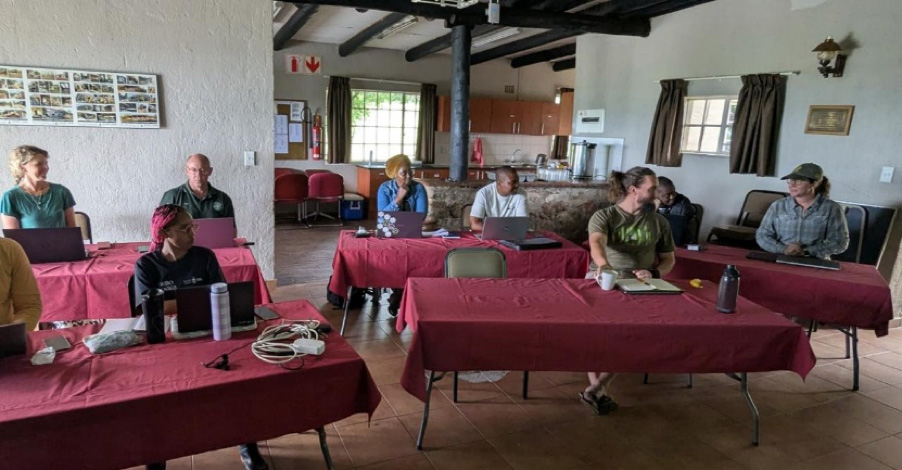
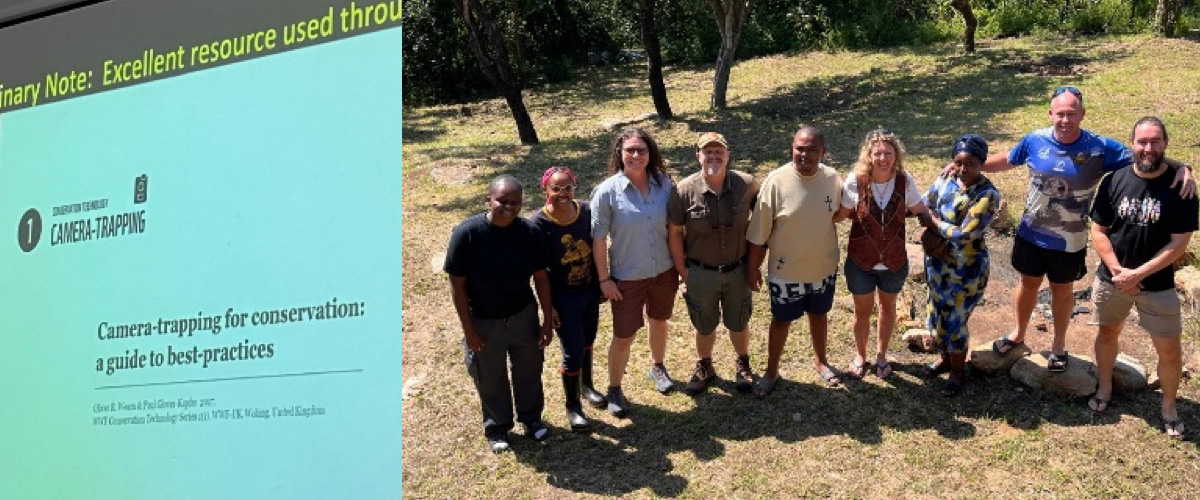
The Wits Pullen Nature Reserve recently hosted a three-day camera trap workshop that brought together researchers, students, and staff for an engaging exploration of wildlife monitoring technology.
The workshop was presented by Prof. Travis Perry from Furman University and Natural Curiosity, USA, whose expertise in wildlife research and technology provided participants with valuable insights into the use of camera traps in ecological studies.
The main goal of the workshop was to introduce and demonstrate the Photogofer software platform, a relatively unique tool designed to manage and prepare camera trap images for later analyses. This software offers researchers an efficient way to handle the vast amounts of data generated by camera traps, streamlining the process from fieldwork to analysis.
Why Pullen Nature Reserve?
The Pullen Nature Reserve was chosen as the venue due to its excellent field accommodation and facilities, making it an ideal environment for both practical demonstrations and collaborative learning.
The workshop was attended by students, post-doctoral fellows, and staff from the University of Mpumalanga (UMP) and Wits University, fostering collaboration across institutions and disciplines.
"While camera traps are invaluable for wildlife research, they come with challenges. Researchers often face difficulties related to placement, data loss, and interference from wildlife, all of which were discussed during the workshop. These real-world issues highlighted the importance of effective data management tools like Photogofer." Professor Daniel Parker, University of Mpumalanga
By combining hands-on training with cutting-edge software, the workshop not only enhanced participants' technical skills but also strengthened the role of Wits Pullen Nature Reserve as a centre for ecological research and innovation.