

Qualified but overlooked
- Wits University
Disability Indaba tackles enduring challenges that keep disabled persons trapped in entry-level jobs and excluded from leadership.
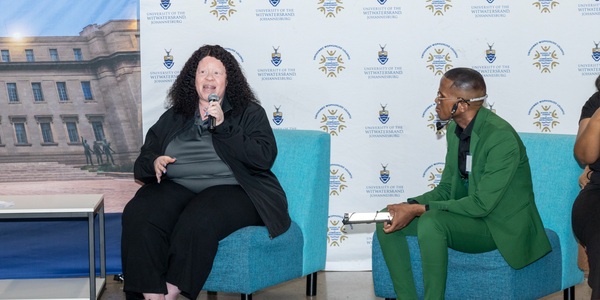
Having the right qualifications does not necessarily open doors to employment or leadership for persons with disabilities. Many remain unemployed, trapped in internships or confined to entry-level positions, raising questions about whether South Africa's employment equity policies are delivering meaningful inclusion.
These concerns dominated discussions at the second Disability Indaba, jointly organised by the Wits Department of Social Work, Lead Change and Phila Sonke Wellness Initiative, under the theme Beyond Qualifications: Unlocking Potential and Advancing Inclusion.
The 2026 gathering examined why persons with disabilities continue to face barriers to employment, career advancement and economic participation, despite policies intended to promote equality.
Qualified but going nowhere
Speakers questioned why persons with disabilities struggle to secure permanent employment after internships and why so few opportunities exist for progression into management and leadership positions.
The disconnect between policy and implementation came under scrutiny. Participants highlighted the disparity between the 10% disability employment target referenced in the National Development Plan's disability analysis and the 3% prescribed under Employment Equity regulations.
Employers were criticised for treating disability employment as a box-ticking exercise rather than investing in the recruitment, retention and development of persons with disabilities.
In 2022, South Africa had a population of 62 million persons, with around 3,3 million individuals identified as living with disabilities, according to a Stats SA report.
This report, just as with the conference, highlighted some of the persisting challenges such as prejudice, ignorance, stigma and low expectations, that hinder people with disabilities.
Barriers begin before employment
Senzo Mbonambi, Chief Operations Officer at Lead Change Developments, highlighted how educational inequalities limit future employment prospects. He noted that many learners with disabilities leave school after Grade 9 with qualifications that do not translate into meaningful opportunities. He also flagged the need to look carefully at how AI will affect disabled people adding that they are likely to be more affected with the automation of occupations involving repetitive and routine tasks; along with recruitment platforms that may disadvantage people with disabilities.
Nomvula Makgotlho, Chief Director in the Department of Small Business Development, raised concerns about the uncertainty surrounding social grants when persons with disabilities pursue entrepreneurship. The risk of losing a predictable income can discourage individuals from establishing businesses.
Inclusion must create careers, not just jobs
City of Johannesburg Councillor Yongama Zigebe challenged employers to move beyond compliance.
"To business: stop seeing inclusion merely as compliance. Recognise talent, create careers and open supply chains," he said.
He also challenged universities and schools to "ensure that the classroom becomes the first place where barriers are broken, not the first place where they are reinforced."
Zigebe stressed that disability inclusion requires collective responsibility across government, business, educational institutions and communities.
"There is no institution in South Africa that can say disability inclusion is somebody else's responsibility."
He concluded with a powerful reminder that inclusion requires more than accessible infrastructure.
"Because government can construct a ramp. But society must also dismantle prejudice."
Another strong message from the conference is that we are all ‘temporarily abled’ and disability can visit at any stage during our lifetime. Therefore, it is essential that disability inclusion becomes part of everyday life.
Dr Zintle, Ntshongwana, Senior Lecturer at the Wits Social Work Department added that The Disability Indaba strategically “aligns with the mission to be a centre of excellence in social work education and training, while promoting social development, social change, and human wellbeing through research, teaching, and community service.”
“By bringing together students, graduates, employers, policymakers, disability advocates, and other stakeholders, the Indaba created a platform for dialogue, collaboration, and action to address barriers to education, employment, and economic participation. The engagement strengthened partnerships and highlighted opportunities for continued collaboration towards more inclusive institutions and communities. Ultimately, the Indaba demonstrated how the Department translates its academic mission into meaningful community engagement and social impact, advancing a society in which persons with disabilities are empowered not merely to participate, but to thrive.”
Related content
Disability Rights Unit celebrates 40 years of student success