

Four Wits projects provisionally selected for national genome programme
- Wits Faculty of Health Sciences
Four Wits research projects join SA110k, a national genomics programme sequencing 110,000 South African genomes to advance precision medicine and African health
Four Wits research projects have been provisionally selected for the pilot phase of South Africa’s SA110k Human Genome Programme, a national initiative that aims to sequence 110,000 South African genomes and address the underrepresentation of African populations in global genomic data.
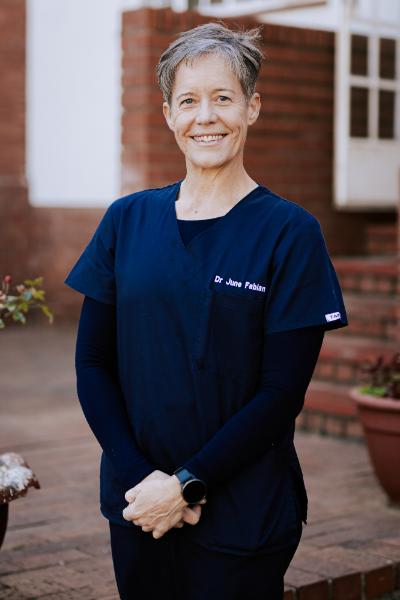
The projects are GENARK-SA, involving June Fabian and JT; HelTI, involving Shane Norris; Heart Failure, involving Nqoba Tsabedze; and the DIAMOND study, involving Zane Lombard.
Wits’ contribution brings together expertise from the Donald Gordon Medical Institute, the SAMRC/Wits Rural Public Health and Health Transitions Unit (Agincourt) and the Sydney Brenner Institute for Molecular Bioscience (SBIMB). Genomics and bioinformatics researchers, laboratory teams, community partners and international collaborators will contribute to the work.
The national programme is a joint effort between the South African Medical Research Council (SAMRC), the Department of Science, Technology and Innovation (DSTI) and MGI. Its pilot phase will sequence up to 10,000 human genomes, laying the groundwork for a genomic reference resource that better reflects African genetic diversity.
Such a resource would help researchers interpret genetic differences in the populations they study, supporting research into disease risk and more accurate diagnosis. The longer-term ambition is to build a comprehensive national genomic reference database, with potential applications in disease prevention and treatment.
“The partnership marks a practical step forward in realizing South Africa’s Precision Medicine and Health Innovation agenda,” said Glaudina Loots, Director for Health Innovation at the DSTI.
Loots said the partnership would combine infrastructure development, standardised pricing and capacity building, while opening opportunities for joint funding through BRICS and China–Africa science collaboration platforms.
Over time, the programme plans to incorporate technologies that examine how genes function in individual cells and tissues, alongside proteomics and long-read sequencing.
For Wits, the four provisionally selected projects offer a way to connect the national sequencing effort with existing research and clinical expertise. Their contribution could help build a reference resource rooted in South African populations and the health questions facing them.