

Two Wits innovations recognised for driving real-world societal impact
- Wits University
Groundbreaking liver transplant access and AI-powered air quality tech earn national recognition from Universities South Africa.
Two standout Wits research initiatives – one transforming equitable access to life-saving liver transplants and another using artificial intelligence to monitor air pollution – have been selected for Universities South Africa’s (USAf) 2026 Societal Impact showcase.
Now in its third year, USAf’s annual Impact Initiative highlights how South Africa’s 26 public universities translate academic research into tangible public benefit. Out of 34 submissions received from across the country following the May 2026 Open Call, an expert panel selected just 14 case studies to feature on the USAf website.
Wits achieved a 100% success rate, with both of its submissions making the cut. Even more notably, the liver transplantation project was named among the top three case studies nationwide recommended for special presentation at a public event or in a flagship USAf publication.
Professor Lynn Morris, Wits Deputy Vice-Chancellor: Research and Innovation, welcomed the recognition: “We are very proud that we continue to demonstrate societal impact across multiple disciplines. I want to take this opportunity to congratulate Dr June Fabian and her team on their pioneering work in liver transplantation and Prof. Bruce Mellado and Dr Edward Nkadimeng on their innovative air quality device and monitoring system.”
Transforming equitable access to liver transplantation
Submitted under the title Transforming equitable access to liver transplantation in South Africa: The Wits model of academic innovation, partnership and public benefit, Dr June Fabian, Director of the Wits Donald Gordon Medical Institute (Wits DGMI) and her team have spent two decades reshaping transplant care in the region. The Wits Donald Gordon Medical Institute is the research arm of the Wits Donald Gordon Medical Centre (WDGMC).
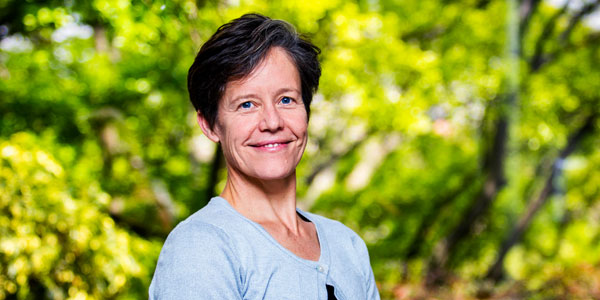
Working through the WDGMC – South Africa’s first not-for-profit private academic teaching hospital – Fabian and the team built an integrated academic health-system model that bridges the gap between the public and private healthcare sectors.
The programme directly tackles critical barriers to specialised care, including national transplant capacity constraints, deceased-donor organ shortages, and exclusionary HIV-related practices. Most notably, the programme pioneered the world’s first living-donor liver transplant from an HIV-positive mother to her HIV-negative child. Today, the centre stands as the largest-volume liver transplant centre in sub-Saharan Africa, backed by locally generated clinical evidence tailored to African populations.
Affordable, intelligent air-quality monitoring
The second selected case study, titled AI_r: Artificial intelligence for affordable air-quality monitoring, early warning and environmental health, showcases how particle physics and AI can help communities breathe easier.
Led by Professor Bruce Mellado and Dr Edward Nkadimeng from the Wits School of Physics and the South African Consortium of Air Quality Monitoring (SACAQM), the team developed AIrSynQ (originally launched as AI_r).
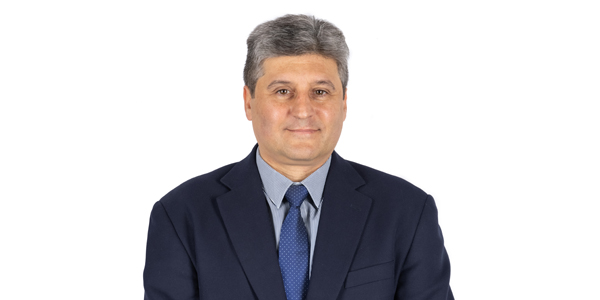
Using laser sensors, low-power Internet of Things (IoT) connectivity, and cloud-based machine learning, the locally designed and assembled units measure fine particulate matter in real time and predict pollution hotspots before they become hazardous. By dramatically reducing hardware costs compared to traditional monitoring stations, the system brings continuous, localised environmental intelligence to under-monitored areas like schools, hospitals, and townships across Gauteng.
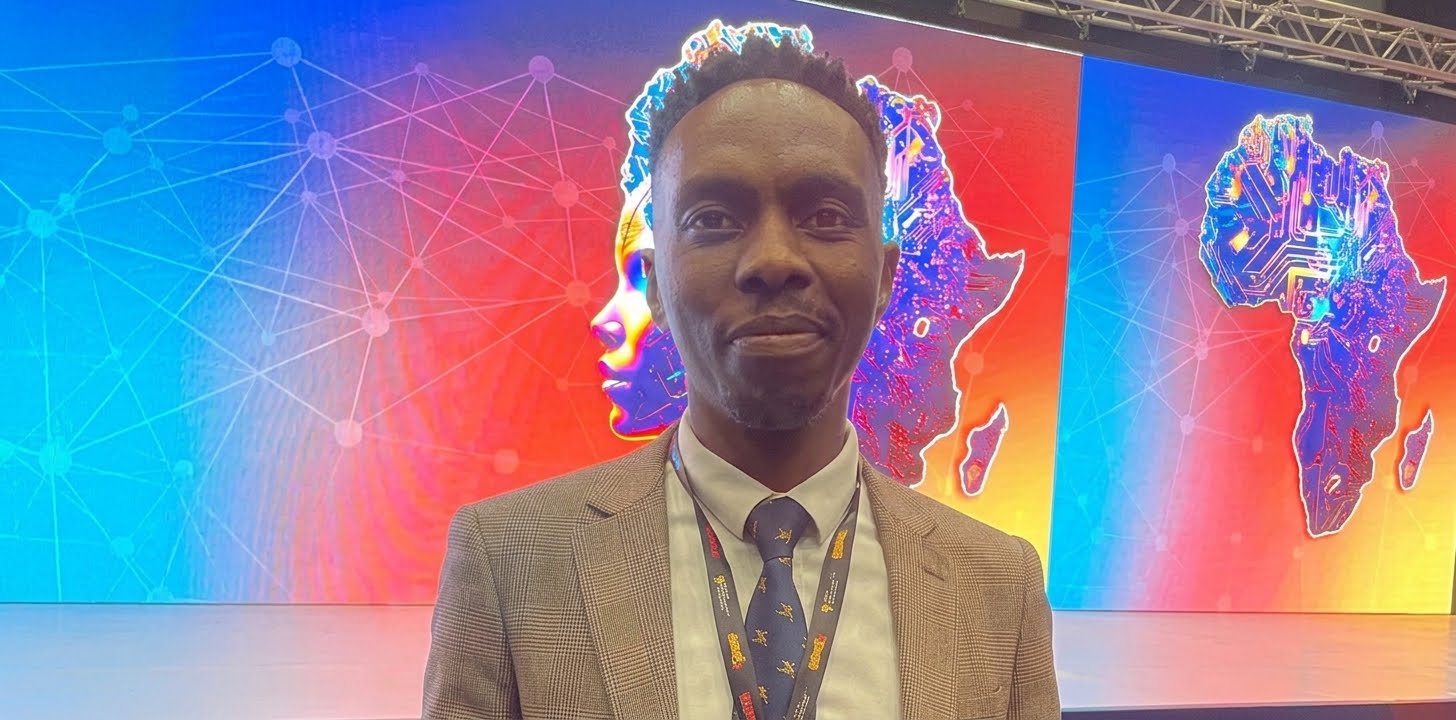
A track record of national societal impact
This year’s accolades build on a strong track record for Wits across every edition of the USAf initiative. In 2025, USAf recognised two Wits projects in its 2025 Societal Impact Case Studies showcase: Professor Bavesh Kana’s biomimicry diagnostic controls (commercialised through Wits spin-out SmartSpot Quality to support TB, HIV, and COVID-19 testing globally) and Drama for Life’s Knowledge Unzipped applied-theatre programme tackling youth sexual and reproductive health.
That followed three Wits selections in the inaugural 2024 Societal Impact Case Studies—highlighting the Centre for Deaf Studies, clean off-grid electricity for informal settlements via Wits spin-out PeCo Power, and the URBWAT accessible greywater management project in Alexandra.