

Wits professor part of NASA award-winning biodiversity research team
- Wits University
Professor is Elhadi Adam among more than 150 scientists recognised by NASA for their work on a major biodiversity research project in South Africa.
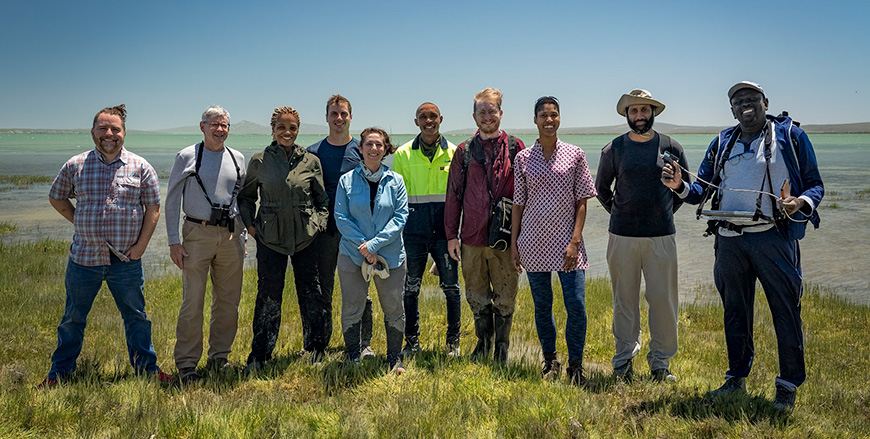
Professor Elhadi Adam, from the Wits School of Geography, Archaeology and Environmental Studies, is part of the Biodiversity Survey of the Cape (BioSCape) team, which has received the NASA Group Achievement Award.
The award recognises the team's work in using advanced technology to study biodiversity in the Greater Cape Floristic Region and improve efforts to protect South Africa's natural environment.
Adam says the recognition highlights the importance of teamwork and international partnerships in tackling environmental challenges.
“It is an honour to be part of the BioSCape team and to contribute to one of the most ambitious biodiversity mapping campaigns conducted in South Africa. This recognition highlights the dedication, expertise, and collaboration of the entire team.”
BioSCape is NASA's first research campaign to use aircraft and field surveys specifically to study biodiversity.
The project focuses on the Greater Cape Floristic Region, one of the world's biodiversity hotspots, which is home to thousands of plant and animal species found nowhere else on Earth.
Scientists are using information collected from aircraft and measurements taken on the ground to better understand where species are found, the condition of natural habitats and how ecosystems function.
The research could help scientists and conservation organisations identify areas that need protection and make better decisions about managing natural resources.
The campaign brings together more than 150 scientists from over 40 universities, government departments and non-governmental organisations.
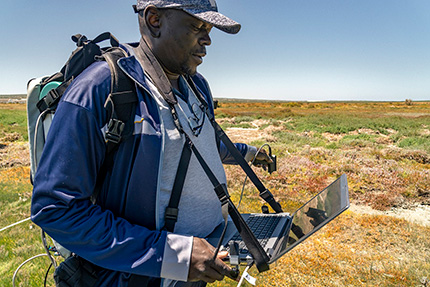 Using four specialised instruments fitted to two NASA aircraft, the researchers collected detailed information about vegetation, water systems and other features of the environment.
It is the first time NASA has combined these four instruments in a single biodiversity research campaign.
The information gathered will also contribute to the development of future satellite missions designed to monitor changes in the Earth's environment.
Adam says combining advanced technology with research conducted on the ground can improve biodiversity monitoring and conservation.
“BioSCape illustrates how advanced Earth-observation technologies, when combined with field measurements and equitable international partnerships, can enhance biodiversity monitoring and support evidence-based conservation.”
The project's findings are expected to benefit South African conservation organisations, including the South African National Biodiversity Institute, CapeNature and South African National Parks.
BioSCape has also placed emphasis on ensuring that South African researchers play an active role in the international project.
The campaign follows a “No Parachute Science” approach, which promotes equal partnerships between local and international scientists rather than allowing visiting researchers to conduct studies without meaningful local involvement.
It also follows international principles aimed at ensuring countries and communities benefit fairly from research involving their natural resources.
The NASA award highlights the role of South African scientists in international environmental research and the potential of new technology to help protect the country's biodiversity.