Injectable HIV prevention drug shows promise: we worked out how much South Africa should pay for it
- Lise Jamieson and Gesine Meyer-Rath
The benefit of an injectable product is that it avoids the adherence issues related to taking a pill daily.
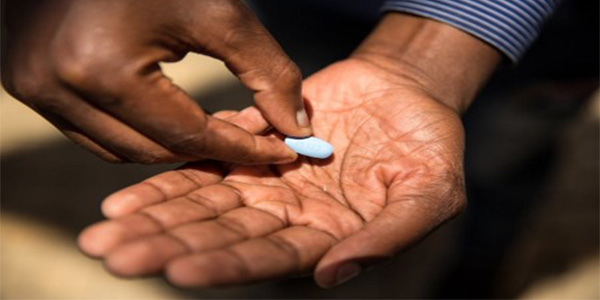
Pre-exposure prophylaxis (PrEP) is an HIV prevention method. It is taken by people who are HIV negative, so that if they are unknowingly exposed to HIV, the drug will prevent the virus from infecting them.
The development of this method is important for South Africa because the country is the epicentre of the HIV pandemic. Around 7.5 million people in South Africa live with HIV – about a fifth of the global population of people living with HIV.
The current standard-of-care PrEP is a combination antiretroviral drug that must be taken orally, called tenofovir disoproxil fumarate/emtricitabine (TDF/FTC). This tablet has be taken daily for it to be effective, as research has shown. It has been available in South Africa since 2016 as part of demonstration projects and implementation studies.
Since 2020, the National Department of Health has committed to rolling it out at every primary healthcare clinic for those who want it. The pricing of oral TDF/FTC has never been a problem. It’s part of first line HIV treatment, and given the large volumes required for South Africa’s successful HIV treatment programme and generic availability, South Africa buys it at low prices.
However, the effectiveness of oral PrEP is only as good as the adherence to it. And remembering to take a pill every day can be a barrier to good adherence.
Recently, two large clinical trials (HPTN 083 and HPTN 084), partly run in South Africa, showed that a two-monthly long-acting injectable antiretroviral, cabotegravir (CAB-LA), was even more effective than TDF/FTC at preventing HIV.
The benefit of an injectable product is that it avoids the problem of having to remember to take a pill daily. Moreover, recent acceptability studies, including ones conducted in South Africa, have shown that people strongly prefer injectable products over oral pills for HIV prevention.
The big question is: at what price would CAB-LA be affordable and acceptable for the South African government? We sought to answer it in our recent study.
Our study
Currently CAB-LA is only offered in a few high-income countries and at high prices. For example, it costs $22,200 per person per year in the US. This price is prohibitive in South Africa.
South Africa is one of 90 countries that will be able to get a generic version of CAB-LA brokered through the Medicines Patent Pool. But the price at which this version will be offered has not yet been set.
To find out what the optimal price level would be for South Africa, we ran an established HIV transmission model used by the South African government for all HIV programme planning and budgeting, called Thembisa.
We compared the impact of CAB-LA over the next 20 years to that of the existing oral PrEP, while testing different price levels for CAB-LA. We assumed that everyone who is eligible for oral PrEP now would be able to have CAB-LA in the future. This included anyone between the ages of 15 and 24, female sex workers, and men who have sex with men. We assumed that more people would choose the injectable, and stay on it for longer than on the current oral preparation.
What we found
Our analysis found CAB-LA averted 15%-28% of new HIV infections compared to simply continuing with oral PrEP at the current low uptake levels. This is three times more than what maximising coverage with current oral PrEP would achieve.
Importantly, we found that the cost per CAB-LA injection needed to be less than twice that of a two-month supply of TDF/FTC to be at least as cost-effective. This means the acceptable price level for CAB-LA for South Africa would need to be somewhere between R160 and R260 (US$9 and US$14) per injection.
This range is towards the bottom end of the minimum price range currently discussed by international organisations and the manufacturer (US$16-US$270). We also found that an acceptable price level is easier to achieve if more people choose to start and continue using injectable PrEP, as higher guaranteed volumes will assist in negotiating lower prices.
Why this matters
Our findings come just in time for the decision-making process of the South African government. These findings are also likely relevant to governments in other low- and middle-income countries with a high HIV burden, as well as donor agencies worldwide. All of these players are currently contemplating whether, and how quickly, to replace or augment oral PrEP with CAB-LA.
Injectable PrEP has the potential to substantially change HIV prevention, and bring HIV control within reach, allowing a country like South Africa to spend tax money on other pressing health needs. But for implementation at a large enough scale, it would first need to be affordable, and this will require a multi-partner effort.
Multi-partner effort needed
What could this multi-partner effort look like? A successful roll-out would involve:
lowering the drug’s price to a level possibly below the cost of production, and lowering the cost of production
harnessing, creating and sustaining demand for the product over the long term, wherever possible, in national programmes rather than single demonstration sites
establishing and maintaining manufacturing capacity, including local manufacture where possible, and supply chains.
For this, all parties have to work together – including originator and generic manufacturers, donor organisations and other large funders, and the governments of low- and middle-income countries, in particular those with high HIV prevalence, such as South Africa.
For South Africa, the roll-out can only start in earnest if we have a commitment for injectable PrEP from the government, with or without donor organisation involvement. In turn, that commitment has to start with price negotiations with the current manufacturer. By adding the first precise estimate of the maximum drug price that a country like South Africa should accept, we hope to have set that ball rolling.
African mountains are feeling the heat of climate change
- Jasper Knight
Mountain systems are sensitive to climate change. Loss of snow and ice sets off effects which have wide ranging consequences.
Mountains are special places. They have distinctive climates that are generally cooler and wetter than surrounding lowlands, and they host plants, animals and landscapes that are uniquely found in these environments. However, mountains are under threat because of climate change, and this has an impact on every single property of mountains, including their climate, weathering and erosion processes, soils, ecosystems, water resources, geological hazards, regional economies, and cultural practices.
My work on the impacts of ongoing climate change in mountains highlights the sensitivity of mountain properties and processes to changes in temperature and precipitation – mainly expressed in mountains as snowfall. However, there is less understanding of mountain systems in Africa compared to other mountains globally. This article therefore focuses on mountain properties in Africa, why these are particularly sensitive to climate change, and why this is important.
Ice and snow
One key property of mountains worldwide is that they are often covered by snow and ice (glaciers). This reflects moist air and cold temperatures over mountain summits. Not only do snow and ice present unique habitats for plant and animal species, they also have a vital role in the regional climate systems of mountains. Snow and ice tend to be light in colour, so they reflect sunlight back out to space, keeping the land surface cold. This is called the albedo effect.
However, if snowfall does not take place or the snow melts away, the mountain land surface remains dark. This means it absorbs rather than reflects the sun’s energy, making the surface warmer. This can cause more snowmelt, exposing more dark rocks, with more heating and melting.
The outcome of this process is that changing patterns of snowfall have big implications for mountain heat budgets. Mountains worldwide are already warming twice as fast as the global average. This makes them particularly sensitive to climate change.
African mountains are not immune to climate change. Small glaciers still exist in three mountain massifs – Mount Kenya (Kenya), Kilimanjaro (Tanzania) and the Rwenzori mountains (Uganda) – but these are in rapid retreat. They are also predicted to disappear entirely by the middle of the century. Snowfall is also highly variable, such as over the Maloti-Drakensberg mountains of southern Africa.
The full implications of this loss of ice and snow, and of climate change in African mountains more generally, have not been fully considered. Ice retreat in other deglacierising mountains worldwide leads to a substantial increase in hazards of different types, including rockfalls, landslides and debris flows. These hazards can also take place thousands of years after initial ice retreat.
This may mean that, even though the glaciers that exist in Africa today are very small, any resulting hazards could potentially be large and unpredictable in their timing and location. These are potentially future issues in African mountains.
Another important factor is how snow and ice melt across African mountains will affect their wider landscapes. Snow and ice often serve as water sources to surrounding communities, especially in locations that are water scarce, which includes East Africa. Water availability in the environment influences soils, ecosystems, river processes and the potential for flood and landslide hazards.
The presence of snow and ice therefore has wider environmental significance across mountain landscapes, and in ways that are not fully understood.
Other important roles
African mountains are also important for other reasons. For example, they host the Afromontane biogeographical region, a global biodiversity hotspot of endemic podocarp (conifer) forest species that extends as a corridor through upland areas of southern and eastern Africa.
Above the treeline, alpine pastures provide grazing land for herders, a key socioeconomic and cultural activity in remote mountains in Africa.
Summer and winter tourism – whether in South Africa or Morocco – is also linked closely to mountain landscapes, snow, water and the presence of endemic species.
All of these activities are under threat because of climate change. Mountain ecosystems are critically linked to temperature and precipitation conditions. Climate change may therefore pose problems for both the survival of keystone species and for overall biome integrity, especially where they are encroached by invasive species, agriculture and forestry. These changes also have secondary effects on ecosystem services, food, fuel and carbon storage.
Thus, mountains have a wide range of properties that are linked to climate, and a key question is how mountain systems as a whole will respond to climate change over future decades.
Mountain communities
Sustainable development of mountain communities, where human activity responds to the changing nature of mountain systems, is a key strategy for minimising the impacts of climate change, both in mountains and in surrounding areas.
This can be done by monitoring and treating sources of hazard risk as a result of melting snow and ice, building resilient infrastructure and community resilience, and protecting mountains as sites of geological, ecological and cultural heritage. These actions can help limit climate change impacts on sensitive mountains in Africa and elsewhere.
Study shows how Covid-19 affected access to HIV treatment
- Melanie Bisnauth
The individual stories of migrant women are essential in understanding if HIV healthcare strategies and programmes are working.
South Africa has made massive strides in the fight against HIV. One of the country’s flagship interventions has been the prevention of mother-to-child transmission (PMTCT) of HIV. Nevertheless, South Africa still has the world’s largest HIV epidemic. It’s estimated that 7.5 million people in the country have HIV. Women of reproductive age account for more than half of this number – 4.8 million.
Prevention of mother-to-child transmission of HIV requires pregnant women to take life-long antiretroviral therapy (ART) to prevent the onward transmission of the virus to their babies during pregnancy, birth or breastfeeding.
But one of the challenges is ensuring that women stay on treatment. When life gets in the way, it can cause an individual to temporarily disrupt taking ART routinely. Treatment interruptions can occur due to many reasons. These include mobility, side effects, stigma, disclosure and not being able to get time off work to visit the clinic. Treatment interruptions can lead to the risk of HIV transmission, and poorer health outcomes for both the mother and baby.
Women with different mobility patterns who move across country borders and within a country found it difficult to stick to treatment regimens during the COVID-19 pandemic. This risk was highlighted in March 2020 when the South African government introduced lockdowns to control the spread of COVID-19. Research suggests that the lockdowns significantly reduced access to and the provision of antiretroviral treatment services. One paper put the reduction at 46% in 65 South African primary care clinics.
To understand the impact of the lockdown, we conductedresearch among 40 women at a public hospital in Johannesburg. All were HIV-positive and migrant women on the move – crossing country/provincial borders and/or moving within the city of Johannesburg.
The aim was to find out what their experiences had been in the COVID lockdowns. We found that all had encountered serious problems accessing and adhering to treatment. They also were ill-informed about the importance of maintaining treatment regimes.
There were, however, differences between these women on the move. For women who crossed country borders, the biggest challenges included border closures and bureaucracy in accessing healthcare. Twelve women had taken ART for less than one year and were already four to eight months pregnant. This remains an alarming concern for many cross-border migrants who are newly diagnosed only when accessing available PMTCT care at a state hospital for the first time. For some internal migrants (moving within the country) the biggest challenge was the fear of being infected with COVID, which kept them away from healthcare facilities.
The stories of these women need to be shared as countries put in place plans for future pandemics. Their views are important in helping policy makers understand how to strengthen support for patients on the move.
What the women had to say
A common thread in the accounts of treatment was that most women didn’t understand the need to continue treatment after they’d given birth. Most (38) of the women said they chose to take the medication to protect the health of the baby but they felt they could stop after delivery, unaware of the risk and long-term benefits of staying on treatment – for them and their baby.
This lack of knowledge pointed to the fact that with the COVID-19 pandemic and its increased burden placed on the healthcare system, the women hadn’t been given the support and counselling needed after diagnosis. Some women reported they would have liked comprehensive counselling immediately after diagnosis, especially when they started taking antiretrovirals. But often there wasn’t enough space and time for thorough counselling to be done.
Most of these women knew that they had to take antiretrovirals, but could not tell us why. Although there were similarities with women on the move, some differences stood out. In the experiences of women with internal migration patterns, the big issues were interruption of treatment and missed appointments due to fears of contracting COVID-19 at health facilities; public transport to health facilities being unavailable during the lockdown; and separation of patients by HIV status, which led to indirect disclosure.
Restrictions on travel due to the lockdown affected women with cross-border migration patterns. The alarming concerns that were raised included mistreatment by staff at health facilities; discrimination and longer waiting times in queues; running out of ARVs; language barriers and not understanding dosages and side effects; lack of education and counselling; and documentation. All acted as barriers for mother-infant pairs to access care.
As one woman described it:
It was very hard. We would travel on one bus and then step off to take another one. This occurred several times. Before we arrived at the border, we were arrested. When we arrived at the border we got arrested again. Even when we had passed through the border we still got arrested … My sister had identification, but I didn’t. They thought she had kidnapped me.
What can be done?
Healthcare systems must include different services that cater to the individual needs of women who are on the move.
Multi-month dispensing and the long-term supply of antiretrovirals can significantly reduce the number of clinic visits required.
Health education talks should be conducted both in person and virtually, taking advantage of long waiting times at clinics. Key messages must be conveyed in various languages and at a primary education level that patients will understand – empowering patients through information.
Online virtual educational care platforms made available in different languages can help keep women on treatment to prevent mother-to-child transmission of HIV. They can provide 24-hour services that meet the individual needs of patients on the move. This also addresses the financial and documentation challenges of receiving care.
Patients need more time for counselling, especially individuals who start treatment on the day they find out they are HIV positive. Often, it is a lot to cope with and people need time and support to process the news.
Service providers need more support in their work environments, which can help them learn how to be more language sensitive and helpful toward migrants.
Migration and health are not static. Healthcare policies that work towards inclusion and sustainability for migrants are needed to improve prevention of mother-to-child transmission.
Dr Jo Vearey of the African Centre for Migration and Society, University of Witwatersrand, Dr Ashraf Coovadia of School of Clinical Medicine, University of Witwatersrand, and Dr Mary Kawonga, School of Public Health, University of Witwatersrand contributed to the research this article is based on.
- Kailen Padayachee, Arjun Amar and Chevonne Reynolds
DDT accumulates in wildlife and magnifies up the food chain. Birds of prey occupy the top of these food chains in various ecosystems.
It was once regarded as a miracle chemical to protect against disease and improve global food production. The man who discovered its properties even won a Nobel Prize for medicine. But today, dichlorodiphenyltrichloroethane (DDT) is best known for its devastating effects on the environment, as well as on animal and human health.
It was first used in the second world war to protect Allied soldiers against malaria and typhus, which are spread by mosquitoes and body lice. After the war, DDT became a widely available pesticide to kill insect crops pests and insects causing disease in humans.
However, it became clear that DDT was toxic to more than its intended targets. Continued exposure to the chemical can cause neurological damage, endocrine disorders and reproductive failure in both humans and animals.
Awareness of this damage was in no small part due to Rachel Carson’s book Silent Spring, published in 1962. Silent Spring brought global attention to DDT’s environmental impacts and sparked a public outcry that forced much of the developed world – the “global north” – to ban the use of DDT in the 1970s and 1980s.
In 2004 the Stockholm Convention on Persistent Organic Pollutants – those that stay in the environment for a long time after use – was adopted by over 90 nations. DDT was among the most dangerous pesticides, industrial chemicals and by-products placed on the convention’s “dirty dozen” list, and was banned in most parts of the world.
Two years later the World Health Organization recommended the restricted use of DDT to control malaria. It remains in use for this purpose in various tropical countries in Asia, Africa, and South and Central America. Its use here doesn’t just put human health at risk: top predators, among them birds of prey (also referred to as raptors), are threatened too.
Birds of prey as sentinels
Birds of prey or raptors are often apex predators, sitting at the top of the food chain. As such, they can act as an “ecological barometer”, helping us gauge the health of the environment. In addition to their value as indicator species, they provide valuable ecosystem services, controlling pest animals such as rodents and removing carrion from the environment, potentially reducing the spread of disease.
Because DDT accumulates in wildlife and magnifies up the food chain many raptor populations have been nearly wiped out by its use. However, this bio-accumulation also means they have the potential to serve as a useful indicator to monitor levels of DDT in the environment. Thus, raptors can be regarded as sentinels for DDT.
There has been extensive monitoring of DDT in raptors by conservation agencies and academics across the globe for the last 60 years. But no study has looked at the patterns emerging from these monitoring programmes, nor compared these patterns through space and time. Our new study fills that gap.
A global north bias
We found that DDT monitoring in raptors is heavily biased toward the global north. Europe and North America account for 95% of samples. This is a concern because most DDT use is currently in the global south, as are most raptor species.
We found that DDT has been measured in over 27,000 raptors across more than 100 species. The numbers of birds sampled peaked in the 1960s and 1970s, an increase that coincided with international concern surrounding DDT.
However, just three species account for half of all raptor samples collected: bald eagle, Eurasian sparrowhawk and peregrine falcon. Only the peregrine falcon occurs on all continents, but have been sampled far less in Africa, Asia, Central and South America than Europe and North America. The Eurasian sparrowhawk is also found in Asia but similar to the peregrine has been sampled far less frequently there than in Europe.
The geographical one-sidedness we’ve identified can likely be linked to a dearth of available funding, appropriate infrastructure and the necessary training in global south nations.
And it’s worrying for three reasons.
First, most current DDT use is in the global south because of the chemical’s role in malaria control.
Second, the region is home to most of the world’s raptors. Most raptor species come from South and Southeast Asia, followed by sub-Saharan Africa and South America. The tropics in particular (mostly in the global south) display the highest raptor diversity. There are also many declines of species in these regions.
Third, many countries in the global south are notoriously poor enforcers of environmental legislation.
More gaps to fill
Even with better enforcement, global north countries are not always good at protecting their environments. It was only when peregrine falcons were wiped out from many regions of the UK and the US – in the late 1950s to mid 1960s – that their governments finally acted by banning DDT.
As more data are being gathered and collated to develop a clearer picture of DDT levels among raptors in the global south, countries in the region might learn from the US and UK measures and prepare similar programmes to start monitoring DDT levels in their raptor populations in a more systematic manner.
Our research is a critical first step in consolidating the uneven information on the global monitoring of DDT. The next step will be to compare how DDT levels in raptors from tropical regions still using DDT compare to levels in raptors from more temperate regions where DDT has long been banned. We are currently working on that research.
As more data becomes available and a clearer picture is created, we hope governments will feel compelled to act to ensure we do not face a second “silent spring”.
How to address the skills shortages plaguing SA’s economy
- Stephanie Allais
Education can’t make up for inadequacies in other policies that continue to cause mass unemployment.
Many South Africans argue that the country has a skills crisis. An equal number question why it can’t sort this out by “adopting the German or Swiss approach”.
The reason the country isn’t getting the right skills to grow its economy is because of the way it thinks about both the problem – and solutions.
There are two aspects to this.
First, in relation to the notion of “skill”, we to see it as expertise embedded in bodies of knowledge, as well as gained through practical experience. Expertise is used for and developed at work, but acquired through schools, vocational institutions, universities, short courses or workplace training. But this is misguided. A dominant idea is that if we just figure out exactly what it is we want learners to be able to do, designing education that enables them to do it will be relatively easy.
Unfortunately, this is only the case for very specific practical skills like riding a bicycle.
Second, we need to understand skill formation happens through a set of systems which are shaped by, and which shape, economies, institutions and social relations. “Skills” are not a variable that can be changed on their own to create desired changes in the economy. If we want to make changes to skill formation systems and get the right skills, we have to understand this complexity.
seeing skill as something to be separated from the knowledge and practice in which it is located leads to misguided and often destructive curriculum reforms. For example, the idea that “problem solving” can be taught as a standalone skill is nonsense.
education institutions are not the best or only places for learning skills like social skills
education institutions are the best, and perhaps only places for learning theories, concepts and practices that are very difficult to learn outside structured programmes
education institutions and systems are complex, difficult to build, require deliberate and extended support and focused cultivation, and are easy to destroy.
The gaps
Where work requires expertise, it depends on education programmes that are broadly, not narrowly, vocational. That are based on bodies of knowledge in occupational areas, as opposed to teaching the narrow and specific tasks of a particular workplace.
Providing training to do specific tasks through formal education is usually a waste of valuable resources.
A second flaw in the current approach revolves around skill formation systems. Many interventions in skill formation assume that changing one ingredient – the skills of a group of individuals – will change economies and societies. This follows the logic of human capital theory, a simple input/output model which creates a virtuous cycle of more skills, more productivity and higher wages.
From a policy viewpoint, this leads to flawed interventions because it only looks at individuals and assumes individual effects can be aggregated up. Even institutions are theorised as individuals to be incentivised.
What’s needed
What we need instead of a neat causal system in which x causes y, and therefore if we incentivise x we will achieve y, we need to visualise a complex system in which changing any one part will have an effect on all the others.
The education system is part of society and the economy. It doesn’t exist outside of them, producing knowledge, expertise and skills in a vacuum. Societies, nationally and globally, are webs of institutions and institutional relationships that shape each other.
Research shows huge differences across wealthy countries in terms of the overall patterns of skill formation. These differences are not simple policy options, or models to be selected and adopted as education reforms, because they are intrinsic to different types of economies. Economic factors that shape skill formation systems include labour market regulation, collective bargaining, welfare and industrial policy and production regimes, political factors including degrees of federalisation, and election systems.
In low and middle-income countries, we see complex multi-directional relationships between education, poverty and inequality. All the evidence, even from those arguing that fixing schools is key to rupturing inequality, shows that poverty is the biggest cause of educational failure in South Africa.
Of course South Africa has problems with our curriculum, teacher training and other aspects of our schooling system. However, poverty is a factor constraining teaching, affecting who becomes a teacher and how teachers are trained, how schools function, and the ability of individuals to learn.
This complex multi-directional set of relationships then shapes what is possible in the rest of the education and training system. Education can’t make up for inadequacies in other policy domains that have and continue to cause mass unemployment and underemployment. The country has to look much more systematically at the different pieces of the system needed to support both the demand for and the development and utilisation of skills, and most importantly, we need policies for structural economic change.
South Africa will improve its chances of skill formation success if it can identify potential key policy levers, and look at how they interact with each other.
This article is based on the author’s inaugural lecture presented at Wits University on 9 November 2022.
What is the Radical Economic Transformation faction in SA
- Roger Southall
Despite its vagueness, the RET has become central to the contemporary ANC. It is destined to remain a powerful bloc within the party.
It has been standard for some years, in any analysis of South Africa’s governing party, the African National Congress (ANC), to refer to the “radical economic transformation” (RET) faction. Yet, there has been little serious analysis of what it is.
The RET is difficult to define. It has no clear shape, leadership, membership, rules or policies. It is rather an aggregation of the aggrieved and aspirant within the ANC, linked by a set of broadly shared attitudes towards the state and power. Nor, in conventional terms, is the faction particularly “radical”. The “economic transformation” it seeks is the displacement of white racial domination, rather than the overturn of capitalism.
Despite its vagueness, the RET has become central to the contemporary ANC. It is destined to remain a powerful bloc within the party, and under President Cyril Ramaphosa, a constant constraint on his leadership and any effort to reform the economy and promote clean governance. For that reason, it needs to be understood.
Growth and composition
Its origins lie in the “tsunami wave” which led to the defeat of Thabo Mbeki as ANC president in 2007 by Jacob Zuma, followed by Zuma’s elevation as state president in 2009. During Zuma’s presidency (9 May 2009 – 14 February 2018), the RET faction overlapped heavily with his support base, which was drawn heavily from KwaZulu-Natal, his home province. Yet it was also closely aligned to ANC heavyweights in the other provinces, notably those dominated by the then “premier league” – provincial premiers in three mainly rural provinces Mpumalanga, Free State and North West. Simultaneously it drew heavily on the support of black business lobbies doing business with the state, notably at provincial and local government levels.
By implication, the RET faction was often implicated in the corrupt practices referred to as “state capture”. Yet there was more to it than that. While various “Indian” business people who were tied to Zuma, especially in KwaZulu-Natal, were on the periphery of the RET, the faction itself was largely Africanist politically, protesting a continuation of white power under a veil of democracy.
The faction also drew energy from black professionals fighting against what they depicted as white domination of their professional spheres, and the radical black student lobbies which emerged during the “RhodesMustFall” and “Fees must fall” protest waves of the late Zuma period.
By the time of the December 2017 ANC elective conference, the RET faction was strongly anti-Cyril Ramaphosa and pro-Nkosazana Dlamini-Zuma in the race for the ANC presidency. The narrowness of Dlamini-Zuma’s defeat has provided it with a strong oppositional presence within the ANC during the Ramaphosa presidency, hampering his efforts at reform.
Understanding the RET faction
If it is difficult to pin down who belongs to the RET, it is equally difficult to define what they want. Nonetheless, four broad themes emerge.
First, the motive behind the faction seems to be black economic empowerment, but not the empowerment originally envisaged by Thabo Mbeki with its carefully regulated industrial charters and targets. The RET version was a generalised insistence that the state machinery (government departments, provincial and local administrations, and state-owned enterprises) be leveraged to allocate contracts to black businesses.
This is justified by attacks upon “white monopoly capital”, arguing that the South African economy has changed very little since democracy in 1994, and that white business is covertly determined upon maintaining white power.
The second thrust, closely related to the first, is a generalised attack on the constitutional settlement of 1994-96. The “Mandela compromise” is criticised as having done little to ease the poverty and unemployment of the black population.
The RET is highly ambivalent about the constitution’s defence of property rights but has little respect for the other laws, rules and regulations which the constitution puts in place. By implication, the judiciary is regarded as suspect, as its function is to see that the constitution is enforced.
Third, an overlap with the Economic Freedom Fighters (EFF), which depicts itself as Marxist-Leninist-Fanonist, sees the RET faction driving the call for the state to extend its right to the compulsory expropriation of land. The impetus comes from the fact that, despite the government’s programme of land reform, a hugely disproportionate amount of land suitable for agriculture remains in white hands. The faction, like the EFF, appears to admire the Zimbabwean land reforms of the early 2000s, which saw mass expropriation of white farms, but rarely advocates this openly.
Fourth, the RET faction is a strong supporter of state enterprises. Although the faction would not object to the transfer of state enterprises into black hands, privatisation is feared as likely to result in acquisition of state businesses by white companies.
In any case, the RET faction is heavily embedded within the state owned enterprises. Their operatives allocate valuable contracts to black “tenderpreneurs” – business people who feed on government contracts. By implication, it is opposed to all versions of “structural reform” touted by the Ramaphosa government and lobbies attached to “big business”.
What the RET faction wants
Trying to work out precisely what the RET faction wants is difficult because it has no agreed manifesto. However, three problems stand out:
First, it remains unclear what the RET faction would put in place of the existing constitution.
Should the constitution be reworked, and if so, how? What are the specific flaws in the constitution as it stands? For the moment, all we are left with are generalised attacks on the judiciary for individual judgements the RET dislikes, demands for changes of the expropriation clause in the constitution, and so on.
Second, the RET faction has no general plan for land reform. Crucially, it ignores the increasing domination of agriculture by huge agri-businesses.
These mega-firms are hugely complex operations. It is one thing to expropriate small white farms; quite another to engage in a battle with huge corporations which probably incorporate foreign as well as local ownership. And what would happen to food production if the state were to take them over?
Third, it is common knowledge that South Africa’s parastatals are failing. Eskom, the power utility, can’t deliver enough electricity and is burdened by unpayable debt. Transnet, the transport parastatal, is in chaos, unable to maintain infrastructure needed for business to operate efficiently. The public railway system is a shambles.
South African Airways, the national airline, has collapsed financially and is being propped up by state funding. The Post Office is unable to deliver the post. The reasons for these failures are many, ranging from the ANC’s systematic undervaluation of technical ability to run complex operations, its political deployment strategy, and the mass looting of state bodies that took place under Zuma.
Turnaround strategies have failed. The difficult question for the RET (and the ANC at large) is: if not privatisation, then what?
With Mbalula in the driver’s seat, we’re on a rail to nowhere
- William Gumede
Lack of effective public transport is now a major constraint on economic growth, job creation and business productivity.
South Africa’s public transport system, whether to carry passengers or goods, have been systemically destroyed by corruption, incompetence, and little long-term planning, undermining economic growth, investment, and job creation.
Recently, the remainder of the already disintegrating public transport system have been vandalised, whether because of misguided destruction of it by those participating in protests against poor services, for wage increases and those who cynically destroy it, to secure a tender to restore the destroyed infrastructure.
Lack of care by ANC and government leaders, incompetence to look after existing or to plan for future public transport needs, and the breakdown of law and order because of the capture of law enforcement, has meant that public transport has been allowed to steadily fall apart.
South Africa’s public transport system is now worse than it was under apartheid, not dissimilar to almost all African countries, where public transport systems are worse than they were more than 60 years after the end of colonialism.
In fact, South Africa’s public transport system is now the worse compared to all its emerging market peers. Lack of effective public transport is now a major constraint on economic growth, job creation and business productivity, competitiveness, and continuing existence.
The destruction, neglect, and lack of expansion of South Africa’s public transport by the ANC government since 1994, is not only one of the most soul-destroying things to see, but it has plunge many into unemployment, poverty and fractured many communities. The collapse of the public transport system has been one of the biggest destroyers of job creation, economic growth, and investment attraction. It has led to reduced opportunities for individuals and businesses, the breakdown of connectivity between and within communities and therefore lowering the quality of life of many citizens.
Rail infrastructure is on the brink of system collapse because of corruption, mismanagement, and deliberate vandalism. Rail infrastructure, including many stations have been further decimated by vandalism during the Covid-19 lockdown. Astonishingly, there is only five commuter rail services, called Metrorail, operational across South Africa. These are the Pretoria to Saulsville line, the Pretoria to Mabopane line, the Cape Town to Cape Flats line, the Cape Town to Simonstown line and the Cape Town to Wellington line are the only ones operational. For months now been no Metro commuter line train service between Johannesburg and Pretoria, except for the Gautrain. Most of the commuter rail services connecting the Soweto townships to Johannesburg are not operational. In KwaZulu Natal, the Umlazi and KwaMashu commuter rail services are not operational.
Since January this year, there has been no train services in the whole of the Eastern Cape, neither Metrorail city passenger services nor long-distance train services between major towns. The Shosholoza Meyl, which runs the long-distance commuter train services, has been out of service since February 2020, when it was suspended after the Railway Safety Regulator’s demanded it been done after a deadline crash outside Johannesburg.
In 2019, President Cyril Ramaphosa had first-hand experience of the collapsing passenger rail services when as part of an election campaign joined commuters on a 45-minute train trip from Mahikeng to Pretoria. Unexplained delays meant the trip lasted more than three hours.
There is only limited long-distance passenger services on two routes, a weekly Johannesburg to Port Elizabeth, Johannesburg to East London and Johannesburg to Musina in Limpopo passenger service. There is no Johannesburg to Cape Town train service. Even where there are rail passenger services, these are unreliable, unsafe, and limited.
South Africa’s rail network in 2021 carried the lowest freight volumes recorded the past decade, as the declining rail services forces companies to use roads instead, damaging road infrastructure, causing delays and detours – all which undermines the economy.
Most of South Africa’s state bus companies have collapsed. A typical example is that of the state-owned Mayibuye Transport Corporation in the Eastern Cape, which has half of its fleet out of service, the company unable to pay mechanics and service providers. Many of the buses of the state-owned Northwest Star bus service, which operates in Gauteng and North West, are out of service, the company have been unable to pay its employees and has defaulted on payments to its employees’ provident fund.
State and subsidised public bus services have been slashed across the country since 2015. The Public Utility Transport Corporation (PUTCO) cancelled key routes in Tshwane, Ekurhuleni, Sedibeng, Katlehong, Vosloorus, Thokoza, Mamelodi and Meyerton, saying the subsidy it received from government was too little.
Minibus tax operators have violently attacked short and long-distance commuter passenger bus services – often with seemingly feeble responses from law enforcement agencies, with very few culprits having been prosecuted for this. For example, Mamelodi taxi operators have on many occasions tried to block state bus operator Autopax, a subsidiary of PRASA, from operating in the township. In Cape Town, taxi operators regularly attacked Golden Arrow commuter buses, which they see as competition in the townships.
In September 2022, in a typical violent attack, Golden Arrow buses were attacked in Nyanga, Philippi and Samora Machel, including a bus with school children, after the law enforcement agencies clamped down on illegal taxi operators, called amaphelas. These amaphelas, a Xhosa word for cockroach, is unlicenced sedan taxis, which have mushroomed in Cape Town townships following the limited public transport. They charge R10 a trip to township destinations.
Minibus taxi associations have violently attacked long-distance bus operators, to take over their passengers, with government standing idly by. In September 2022, the InterCape bus company had to take government to court in the High Court in Makhanda to compel government to provide safety to long-distance operators, drivers, and passengers against violent attacks from minibus taxi operators. Meter-taxi operators have violently attacked ride hailing services, such as uber in Johannesburg and Pretoria.
South Africa’s state-owned ports are clogged – with very little products getting out to markets. The 2020 World Bank report ‘The Container Port Performance Index 2020, A Comparable Assessment of Container Port Performance’ placed the performance of SA’s biggest ports, Cape Town, Durban, Port Elizabeth and Ngqura ports, which are all managed by Transnet, in the bottom five out of a list of 351 global ports. These ports were ranked lower in efficiency than African ports such as Lagos, Dakar, and Maputo.
The country has been unable to maximise the recent global commodity booms because the country’s products face delays in export because of the declining infrastructure. Before the labour strike at Transnet last month, the mining sector in 2022 alone lost R50bn because of the deteriorating performance of Transnet’s rail and ports.
South Africa’s aviation transport infrastructure is also disintegrating rapidly, with many airport buildings suffering from neglect and underinvestment. State-owned South African Airways has collapsed under state capture, incompetent cadre deployment and lack of business sense.
Public transport is one of the anchors of modern economic development. In a globalised world, the efficient, safe, and comfortable moving of people and goods, to economic opportunities, workplaces, and markets, is crucial for individual, business and country economic prosperity. Country public transport that are of high quality, connectivity and reliable services increase growth, investment, and development, because they have positive multiplier effects, by increasing opportunities, access to local and global markets and community connectivity.
The Cabinet ministers appointed over the past few years to oversee the critical portfolio of public transport has been among the most mediocre imaginable. The state-owned companies that drive public transport, Transnet, PRASA and SAA, have been run down by incompetent cadre deployees, with little managerial skills, knowhow or care, their procurement systems captured by politically connected cadres and cannot operate without bailouts.
The private sector should be allowed to take over ailing public infrastructure either fully, or in public-private partnerships. Passengers, freight users and other stakeholders should set up consumer civil bodies, to hold transport SOEs accountable, police their procurement decisions and block the appointments of cadres as managers. Cadre deployment, cadre procurement and cadre public-private partnerships should be banned. Merit, competency and honest should guide all public appointments, procurement, and public-private partnerships. Unless there is urgent governmental intervention to rescue SA’s collapsing public transport system, the only public transport system left will that be that of minibus taxis.
William Gumede is Associate Professor, School of Governance, University of the Witwatersrand, and author of Restless Nation: Making Sense of Troubled Times (Tafelberg). This article was first published on TimesLive/Sunday Times.
Climate change is not what South Africans see as their main problem
- Nicole De Wet- Billings
Climate change is a major threat to food production, and is displacing people and increasing the risks to health globally. Addressing climate change requires vast resources, including financial investment to decarbonise economies and produce food sustainably. Above all, it requires international cooperation and commitment – based on an accurate understanding of the relevant issues.
However, less developed countries also have competing challenges. In South Africa, for example, poverty, inequality, violence and access to education and employment tend to overshadow climate change efforts.
In 2022, the South African government started thinking about how to incorporate environmental challenges in the national budget using evidence from 11 ongoing projects. This is an important step towards treating climate change as a national priority. However, at present other socioeconomic challenges plaguing the population are at the centre of the government’s national spending.
This is understandable. In South Africa, one in every four women aged 18–49 years old has experienced violence from an intimate partner. HIV prevalence is at 13.5% and current unemployment is the highest in many years at 33.9%. South Africans regard these as urgent issues warranting immediate attention. They are reflected in the country’s National Development Plan.
All these concerns are linked, however. Climate change poses an additional risk to current and future endeavours to protect livelihoods, grow the economy, and prevent disease and loss of life. It’s therefore important to know what the public thinks about environmental issues and the value of addressing them.
This was the motivation for my study of the attitudes of South Africans towards environmental issues in relation to competing socioeconomic challenges.
The study used the 2017 South African Social Attitudes Survey of a nationally representative sample of people. In the survey, 3,173 adults chose what they saw as the three most important challenges in South Africa at the time. Environmental issues were on the list they could choose from.
Environmental issues did not appear in the top 10 most important challenges they identified. Only 0.09% of the respondents reported environmental issues as the most important priority in the country. The environment ranked 17th among respondents’ top priorities. The highest ranked issues were unemployment, HIV and crime.
Analysis of responses revealed that 77.62% of respondents had negative attitudes towards the environment and 22.37% had positive attitudes.
The survey results suggest that South Africans would rather see efforts go into tackling other challenges – even though climate change will intensify those challenges. The results also suggest where efforts to change perceptions could focus.
The survey was carried out five years ago and the COVID-19 pandemic has since had a huge impact on people’s lives. So it is possible that if asked today, climate concerns might rank even lower in the list of priorities for the South African population.
Attitudes and perceptions about environmental concerns
The study population were adults, aged 16 years and older, of both sexes and all races, geographical locations and nationalities. Results were controlled for these demographic and socioeconomic characteristics.
Participants responded to three questions:
what they saw as South Africa’s three most important challenges (in order)
whether “people’s taxes” were being used for the environment
whether more taxes should be spent on the environment.
Out of all the respondents, 65% listed unemployment (1st), 15% stated HIV/AIDS (2nd) and 11% cited crime and safety (3rd) as the top three challenges in the country. Only 0.09% of the respondents listed the environment as their top priority. This last group of respondents were all male.
Environmental issues did not appear in the top 10 of the second or third most important challenges either.
The list of second most important priorities was led by: crime and safety; service provision; corruption. Here, environment came in at 15th (1.04%). Of those who ranked environment 2nd, 69% were female.
The list of third most important issues was dominated by: poverty; corruption; education. Environment was 10th (3.18%), with a more even mix of male and female.
Participants who ranked social challenges as a main priority were also more likely to have positive attitudes towards environmental challenges. This shows there is a common group within the population that could be targeted for environmental and social change movements.
Among respondents who believed that more tax money should be spent on the environment, 62.28% were male and 37.72% female.
Males and urban residents were more likely to have negative attitudes to environmental issues than females and rural residents.
The groups that were inclined to be negative about the environment were: older than 16-19; female; black; less educated; unemployed.
The finding that females do not prioritise environmental challenges as much as males is an opportunity to inform females about the immediate benefits that climate change strategies could present to the care and daily functioning of their households. About 42% of households in South Africa are headed by females.
Implications for climate change efforts
These results tell us that economic, social and health competing interests currently overshadow environmental interests in South Africa. This is justifiable at present, but many of these issues will be exacerbated by climate change in the future, adding another challenge to the country’s development prospects.
Second, efforts to reduce the competing challenges could create an opportunity for more awareness around environmental change and development concerns.
Strategies that focus on including females and rural residents, among others, should be developed to inform and assist the public to reduce carbon footprints and create sustainable technologies.
In doing so, there are two important factors to remember. Interventions should not cost the public more and make the population more vulnerable. And the solutions sought and information communicated should be suited to the population’s livelihoods, food production and consumption needs, and economies. That is, an African-led strategy and solution is required.
Children who need help most tend to experience adversity throughout childhood. That continuing adversity muffles the benefit of improved early nutrition.
Interventions to improve nutrition, especially for children and pregnant women, can be critical for health, physical growth and cognitive development, enabling better lives and futures. Reams of policy papers will attest to the fact that if a government or a donor spends substantially on nutrition, the return on their investments – in lives improved or saved – will be high.
Less well known is that the full rewards of nutrition support for the neediest children don’t always materialise. Nutrition interventions on their own are not fulfilling their full potential for all who receive them.
This is because context influences an intervention’s value – at the time and in the future. The children who need help most tend to experience adversity throughout childhood. That continuing adversity muffles the benefit of improved early nutrition.
In South Africa, malnutrition exacts a heavy toll: 15% of babies are born with low birthweight; 27% of children under five are stunted; 61% of children under five are anaemic. Among the poorest one-fifth of children, 36% are stunted; among the richest one-fifth, 12.5%. But at the same time, 68% of women in their child-bearing years (and 13% of children) are overweight or obese. A third (31%) of women are anaemic, and 9.1% of pregnant women have gestational diabetes. These conditions all contribute to higher risks for their infants. There can be birth complications, prematurity, diabetes later in life for the baby, or disrupted physical and cognitive development.
Nutrition support – for all forms of malnutrition – is critical. In South Africa, the US$5.7 billion (R86.8 billion) National Food and Nutrition Security Plan 2018-2023 allocates 8.1%, or $461.7 million (about R7.3 billion) to nutrition interventions for women, children and infants. This does not take into account private sector or international agency expenditures or programmes. The government interventions provide certain vitamins and minerals and extra food for women and children in need.
But despite these efforts, the benefits of early nutritional improvements might wear off for those facing socioeconomic challenges later in life.
Our research, using a case study in South Africa, helps explain the different impacts of nutrition interventions early in a child’s life. For children living in adversity, the potential benefits over their life course are not fully realised. For children who are better off, the benefits magnify over time.
South Africa is one of the most unequal countries in the world, with 10% of the population owning 80% of the country’s wealth. It is critical to avoid making that inequality even worse. Yet, without additional interventions, the National Food and Nutrition Security Plan may further contribute to inequality.
To avoid aggravating inequality, researchers, funders, and policy-makers need to consider the contexts in which children grow and live.
Even over 25 years post-apartheid, South Africa experiences severe inequalities in early nutrition, education, and almost every human-development outcome, such as employment, training opportunities, gender equality and political participation. Health inequities, inadequate coverage of nutrition interventions and adverse later-life circumstances continue to prevent many of South Africa’s children from achieving their full cognitive, social and economic potential.
Our case study highlights the importance of context, throughout childhood and into adulthood, on long-term outcomes. It can guide the allocation of resources to get the best returns on investments in nutrition – especially for the poorest children.
The case study
Our case study looks at the interactions between early nutrition, school quality and job opportunities. Nutrition protects a child’s development potential. School quality influences whether that child will realise their potential. Job opportunities shape their chances to use their realised potential in ways they value.
To build the model, we used a theoretical cohort of 1.15 million children. That’s around the number of children born in South Africa in 2021. We modelled what would happen if nutrition interventions were scaled up to cover 90% of the cohort. We looked at the consequences for nutrition, mortality and years at school, for five socio-economic groups of 230,000 children each.
We then estimated the productivity returns (lifetime earnings) associated with more years of schooling. Here we set out four scenarios:
a baseline with no additional intervention
scaling nutrition interventions to 90%
adding improved school quality to scaled up nutrition interventions
adding equitable employment opportunities to better school and nutrition.
The results suggest that scaling up nutrition interventions in the public sector would yield productivity returns for the whole cohort. The returns would have a value of close to US$2 billion. And the cost of increasing nutrition coverage to 90% would be only US$90 million.
In other words, the “return on investment” to support maternal and early childhood nutrition is high: US$18 in productivity for every US$1 invested. Nearly 2,000 lives would be saved. Stunting among two-year-olds would drop by more than three percentage points. And the cohort would enjoy 53,000 more years of schooling.
But looking at the results for the different socio-economic groups revealed something troubling. If only the nutrition interventions were scaled up, the richest children would gain the most (US$23/$1 return), while the poorest children stood to gain the least (US$16). That would actually worsen the underlying dramatic inequalities.
This is because the overall value of the returns is determined by school access, school quality and employment prospects. All of these are worse for the poorest quintile of children.
If school quality were equal for all children (the third scenario), the highest returns would be seen for the poorest one-fifth of children, rather than for the richest one-fifth.
The impact of inequality
Looking at the different domains of development simultaneously and understanding their dynamic relationship can help identify opportunities to enhance their effects on each other.
The model calls for a shift away from a focus on interventions one at a time – “only” health, or education, or nutrition. Those single-focus interventions might well limit the beneficial effects of other interventions. They could even worsen inequalities.
Seeing what is hindering a child’s development across their life span is the first step to creating holistic interventions that will have the most impact where it’s needed.
Climate change can be beaten – why some scientists are hopeful
- Jennifer Fitchett, Patrick Omeja, Abay Yimere and Desta Mebratu
Can our planet recover from climate change? Commissioning Editor, Kofoworola Belo-Osagie, asked scientists to share the reasons they believe there is hope.
Jennifer Fitchett, Associate Professor of Physical Geography, School of Geography, Archaeology and Environmental Studies, University of the Witwatersrand, South Africa
People are starting to notice the weather and climate, and to understand climate change better than ever before.
It is very difficult for humans to feel the 1.1℃ post-industrial warming. In Johannesburg, our diurnal temperature range is often more than 20℃. From day to day our maximum temperatures can differ by over 10℃. This makes climate change seem intangible. However, over the last few years, the public has become far more aware of the weather and climate, and the impacts of climate change are becoming more tangible, more easily observed, and more measurable by the person on the street.
We are noticing, for example, that jacarandas are flowering earlier than they used to. We are aware that floods are evidence of extreme climates, and that extreme climate events are affecting southern Africa more frequently than they used to.
The tone of public discourse is starting to shift. Sometimes this leads to single events not-quite-correctly being attributed to climate change. But it shows that people are aware and concerned about their climate future. This public awareness is a crucial first step in addressing climate change.
While is it very important to recognise the immense value of young climate change activists like Greta Thunberg, we often don’t notice the many students across the world who are choosing to pursue degrees in fields relating to climate change. The University of the Witwatersrand launched a short course that was offered to over 5,000 incoming first year students in 2022, and which was taught by a PhD student in climate change. This large cohort of students passionate about understanding climate science, avenues for adaptation, and innovations for mitigation is our future!
Patrick Omeja, Senior Research Fellow, College of Agriculture and Environment, Makerere University, Uganda
There is an urgent need for far-reaching change. Government action on climate change is slow as their hands are often tied by stringent bureaucracy, big business and the need to please all of the electorate.
However, I am optimistic that climate action will happen because communities, businesses and foundations around the world are seeing the need for action and doing their part.
For example, in Uganda, solar panels are appearing everywhere. Large companies like Coca-Cola Africa, Nile Breweries, Unilever and Nations Media Group are supporting effortsto restore natural ecosystems and putting the environment before profits. And, for example, the Ivey Foundation in Canada is liquidating its entire endowment to promote climate action now. The funding from these companies is supporting many innovations and solutions, from refugee communities creating forests in the deserts to innovators turning plastics into boats and building materials. They are finding ways to save energy and reduce the footprints of carbon emissions.
Africa is just awash with new ideas and initiatives that are turning environmental challenges into new sources of livelihoods, and adapting to and mitigating the impacts of a changing climate. If many small groups take action, it will make a real difference.
Generally, if humans are the primary cause of a globally warming climate, that means we can also be the architects of its undoing. I think people know that action needs to urgently happen, so people from all walks of life will volunteer to help. I believe human nature “overall” is good and the degraded ecosystems are resilient to recovery, given time and support.
Desta Mebratu, Professor, Centre for Sustainability Transitions, Stellenbosch University, South Africa; Fellow, African Academy of Science
The Paris Agreement on climate change, adopted in 2015, brought a new sense of optimism in terms of addressing the challenges associated with climate change. Unfortunately, the gap between pledges and commitments made by national governments and concrete actions on climate change continued to widen in the subsequent years. This has made the possibility of limiting the planetary temperature rise to 1.5℃ more remote.
Over the last couple of years, we have witnessed increased engagement and leadership of non-state actors, including businesses, civil societies and major groups such as youth groups and local communities. This has led to a plethora of initiatives and partnerships aimed at fast-tracking climate actions and has created a new sense of optimism.
This, coupled with the increasing motivation and creativity displayed by youth groups across the world around climate action, gives me a great sense of hope about our collective future.
Ultimately, however, it all depends on how fast national governments take concrete climate actions.
Yimere Abay, Research Fellow, Centre for International Environment and Resource Policy, Tufts University, United States
The sixth assessment report of the Intergovernmental Panel on Climate Change, published in 2022, described a gloomy future for life on planet Earth. The report detailed the irreversible impacts of change on ecosystems, human life and biodiversity, along with disproportionate impacts across regions, sectors and communities. It called for urgent decisions by world leaders to minimise the adverse consequences. Disappointingly, the 27th Conference of Parties (COP27) of the United Nations Framework Convention on Climate Change didn’t agree to phase down all fossil fuels.
Yet there are still reasons to be hopeful for progress from COP.
First, the cost of wind and solar technologies is plummeting. Technologies for carbon capture, utilisation, storage and transmission are rapidly progressing to foster transformation into a low-carbon market. Africa has an opportunity to use its massive renewable energy resources, harness its minerals and metal resources to develop solar photovoltaic systems and wind turbines, and address the barriers in the way of clean energy development. The turning point will be when fossil fuels become less efficient and more expensive than renewables.
COP27 called for reforms in multilateral development banks. Reforms could address Africa’s reputation of being “riskier” for climate investment by providing guarantees. Africa needs US$2.8 trillion from 2020 to 2030, whereas the yearly climate finance flow is only US$30 billion.
COP27 also introduced a new holistic approach towards food and agriculture. The aim is to boost the finance for agricultural transformation and adaptation. This is another reason to be optimistic, since about 70% of the continent’s population depends on agriculture.
Finally, it’s encouraging to see social movements, particularly among the youth, taking action on climate change. These social movements, including indigenous peoples’ alliances, have self-organised across all regions without discrimination of faith, race, colour, age, gender, ideology, or education and have become the guardians of the future.