

Setas in the spotlight
- Wits University
Too many mandates pull Setas in conflicting directions, says stakeholders during a dialogue at Wits.
South Africa’s skills system is under growing pressure to deliver the right skills for a changing economy. Research and engagement with users of the system highlights that the current system faces serious problems with some players calling for the closure of the skill levy institutions and others for a radical reform.
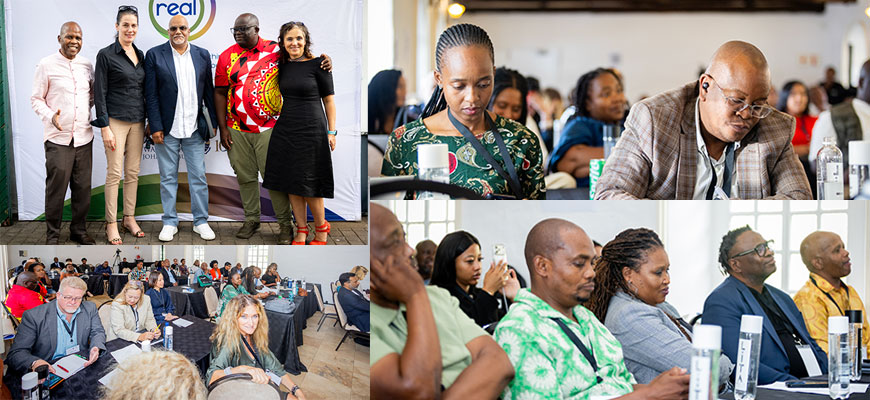
In response, the Centre for Researching Education and Labour (REAL) hosted a dialogue with key stakeholders on 30 January 2026 to examine how skills planning and training can be better aligned with industry needs. This is part of a series of policy engagements drawing on extensive research at the REAL Centre into various aspects of South Africa's skills systems.
The Minister of Higher Education and Training, Buti Manamela, participated in the dialogue along with key stakeholders from Setas (Sector Education and Training Authorities), industry associations, employer associations, organised labour and policymakers.
“The Dialogues are informed extensively by numerous research initiatives undertaken by the Centre which have explored why the skills levy institutions function sub-optimally, including their institutional design, how they are managed by the state, and unrealistic expectations. This research also highlights that these challenges are not unique to South Africa: policy makers around the world are struggling to reform vocational education and skills systems,” says Prof. Stephanie Allais, Research Chair of Skills Development at REAL.
Diverging view from Panellists
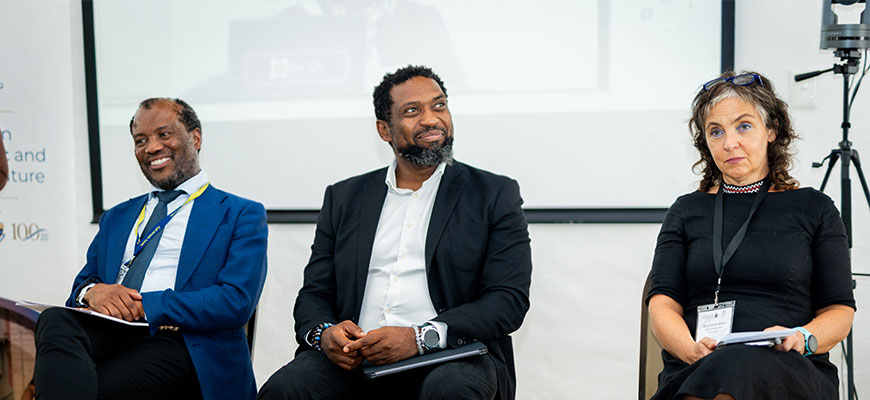
Panellists Rudi Dicks (Office of the President), Mustak Ally (Minerals Council South Africa), Ingrid Du Buisson (Institute for Customs and Freight Forwarding), Thabo Mashongoane (Mining Qualifications Authority) and Bhabhali Nhlapo (COSATU) were in agreement that the skills development system needs an overhaul, however, held different views on the way forward.
Du Buisson had strong views that the Setas are far removed from business reality, leading to outdated curriculum, and students trained in inappropriate infrastructure as some of the reasons for the persistent skills gap.
Du Buisson, who represents employers that manage and facilitate 95% of South Africa's international trade, indicated that their institute has resorted to developing its own training programmes to bridge the gap between the output from training institutions and the needs of industry. These are SAQA accredited and delivered by subject experts, she said.
Credibility, relevance and trust
Panellists acknowledged the institutional challenges that have faced SETAs over the 26 years of their operation, since taking over from the Industry Training Boards.
The relationship between Setas and industry was described as fraught and non-existing in some sectors.
“We need to review how the system is designed to ensure stakeholder ownership, participation, and contribution. If you analyse and read all the reports, the system is supposed to be designed in such a way that employers and workers on the shop floor can come together and determine what their skills need are and they then contribute and submit that to the Seta, which is able to then aggregate into a skills plan,” Oupa Bodibe, Advisor to the Minister of Higher Education and Training.
Cosatu representative Bhabhali Nhlapo rejected the simmering view from industry that Setas should be dissolved as they are ineffective compared to the old Industry Training Boards.
“I don't think that we must kill the system. We should kill the bureaucracy and return to the true purpose of how the levy-grant system, but we have made it to be a system of contracts, a bidding system, and all these things that are devoid of its intended purpose. This is a training system (Setas).”
Wrapping up the session, Allais highlighted the prevailing sentiment from the workshop that “Setas have too many mandates which pulls them in conflicting directions. Some of the structural problems might be easier to resolve if we got this issue of the mandate more clear.”
Dialogue of this nature will assist in identifying practical solutions to ensure the users of the system are better served.
Wits Vice-Chancellor and Principal Zeblon Vilakazi underscored the role of universities in facilitating key national dialogues on complex matters.
“The future skills development courses of South Africa will not be shaped by politicians, it will be shaped by the relationships that we are building, by institutions that can work together, and the courage to acknowledge what is not working whilst committing collectively to build better,” he said.
The second dialogue on 27 February will focus on improving workplace skills planning and funding to support training, as well as how SETAs can best be structured to support skills planning and provision.