AI & Africa Music Pilot Project


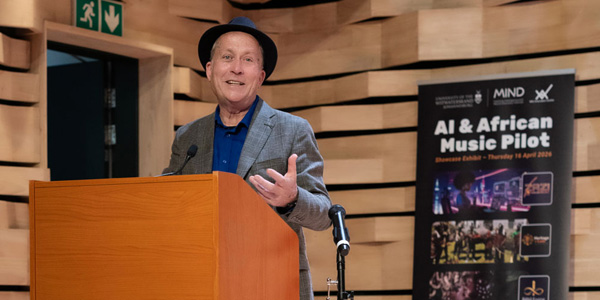
After six months of intense collaboration, the five artist-engineer winning teams of the inaugural AI & Africa Music (AIAM) Project presented their prototypes at a showcase event in the Chris Seabrooke Music Hall at Wits on 16 April 2026. Led by Professor Christo Doherty from the Wits Innovation Centre (WIC) in partnership with the Wits Machine Intelligence and Neural Discovery (MIND) Institute, the initiative focused on how AI can be used to preserve, reimagine, and responsibly co-create with African music practices.
Supported by Wits alumnus, PhD candidate and US-based music executive, Charles Goldstuck, the five winning projects highlight considerations such as ethics, consent, provenance and creative ownership.
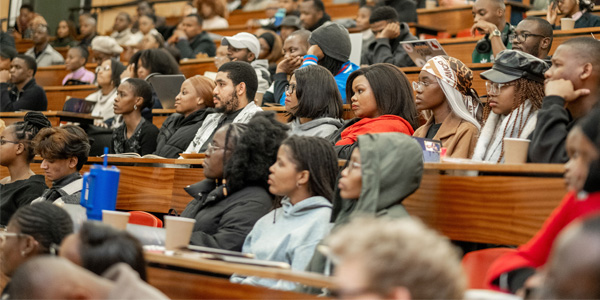
Themed African Data Science, for Africa, the Conference (ADSC 2026) aimed to advance research, strengthen postgraduate development, deepen industry engagement and promote responsible, context-aware data science and artificial intelligence. ADSC 2026 focused on the role of data science in addressing Africa’s social, economic, institutional, technological, and developmental questions.
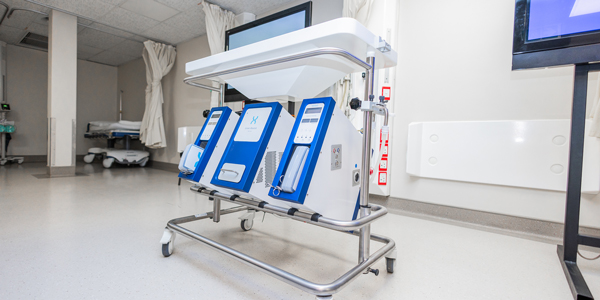
Wits Donald Gordon Medical Centre installs Africa’s first liver perfusion machine. The liver perfusion machine keeps donor organs viable outside of the body for extended periods of time, improving the accessibility and outcomes of transplants in South Africa. Organs that might previously have been deemed too risky to use can now be evaluated more thoroughly, potentially increasing the number of organs that can be safely transplanted.
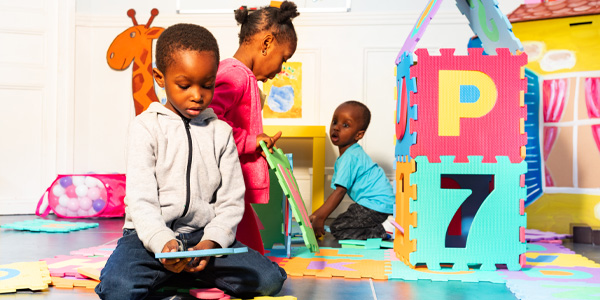
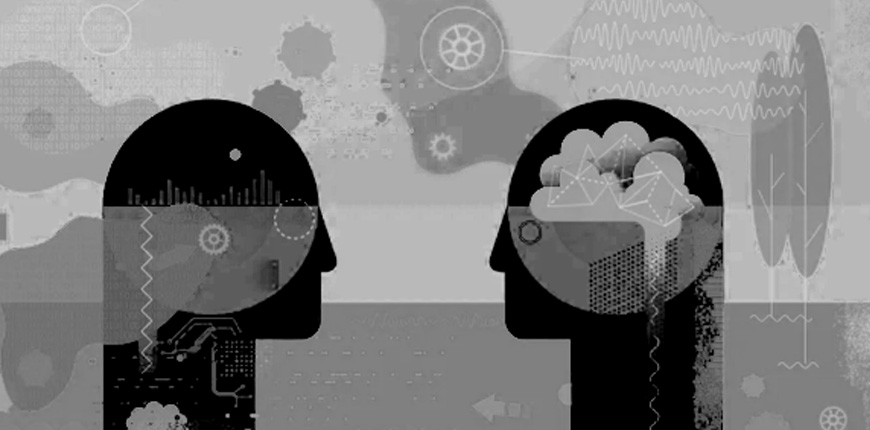
New research from the University of the Witwatersrand, South Africa, has significant implications for understanding both human language development and the behaviour of large-scale artificial intelligence language models. The researchers built a computer brain with similar characteristics to a child’s, and compared it to behaviours we see in children’s brains. They then fed it data with similar properties found in human language and watched how the generations (versions) of the computer brain learn. It turns out, computer brains find the structure in the data in the same way that children favour certain properties of language in learning.