

ANTI-MICROBIAL RESISTANCE
Anti-microbial resistance (AMR) is a massive global health problem, and as the World Health Organization highlighted in its 2014 Global Report on Surveillance, the first step in tackling this issue is to determine the scope of the problem through surveillance (29). The existing GERMS surveillance does not include several drug-resistant organisms of public health importance, and nor does it include enough clinical granularity required for sophisticated analyses. It is vital to ensure Johannesburg tertiary hospitals have robust surveillance tools in place to describe and track changes in the epidemiology and outcomes of key difficult-to-treat infections, and to link this epidemiology to aspects of antimicrobial stewardship, such as antibiotic choices and invasive devices practices.
The aim of the study is to determine the burden of disease of antimicrobial-resistant organisms of interest among inpatients in select academic hospitals in Johannesburg, and to identify the factors associated with morbidity and mortality amongst these infections.
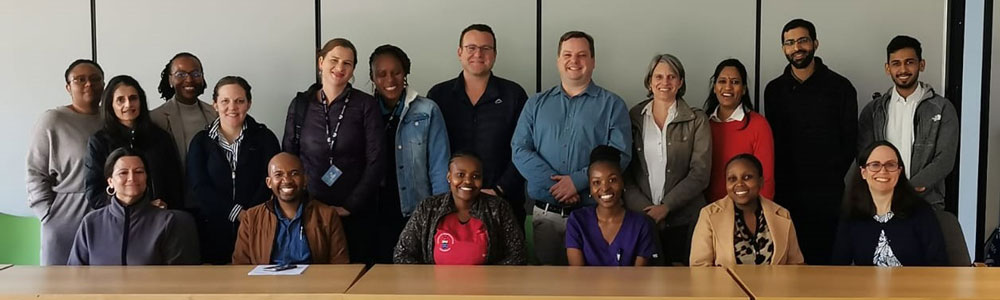 IDORI AMR Project Team
Current projects:
- Clinical epidemiology of Escherichia coli bacteraemia in adults in Johannesburg, South Africa
- MSc project: Dr Deborah Jideani
- Clinical and molecular epidemiology of Acinetobacter baumannii invasive disease in South African adults
- PhD project: Dr Sulaiman Hassan
- AIMPACT: AI-Powered optimization of empiric therapy to combat AMR
- Collaboration between Wits VIDA, Wits DIH, Wits School of Computer Science and Applied Mathematics (CSAM)
- Co-PIs: Dr J Nel, Prof W Stevens, Prof L Scott, Prof B Bassett (this team was originally convened by Wits IDORI)
- Funded by the Novo Nordisk Fonden